Niobe Xandó
The Unusual
NIOBE XANDÓ
The Unusual
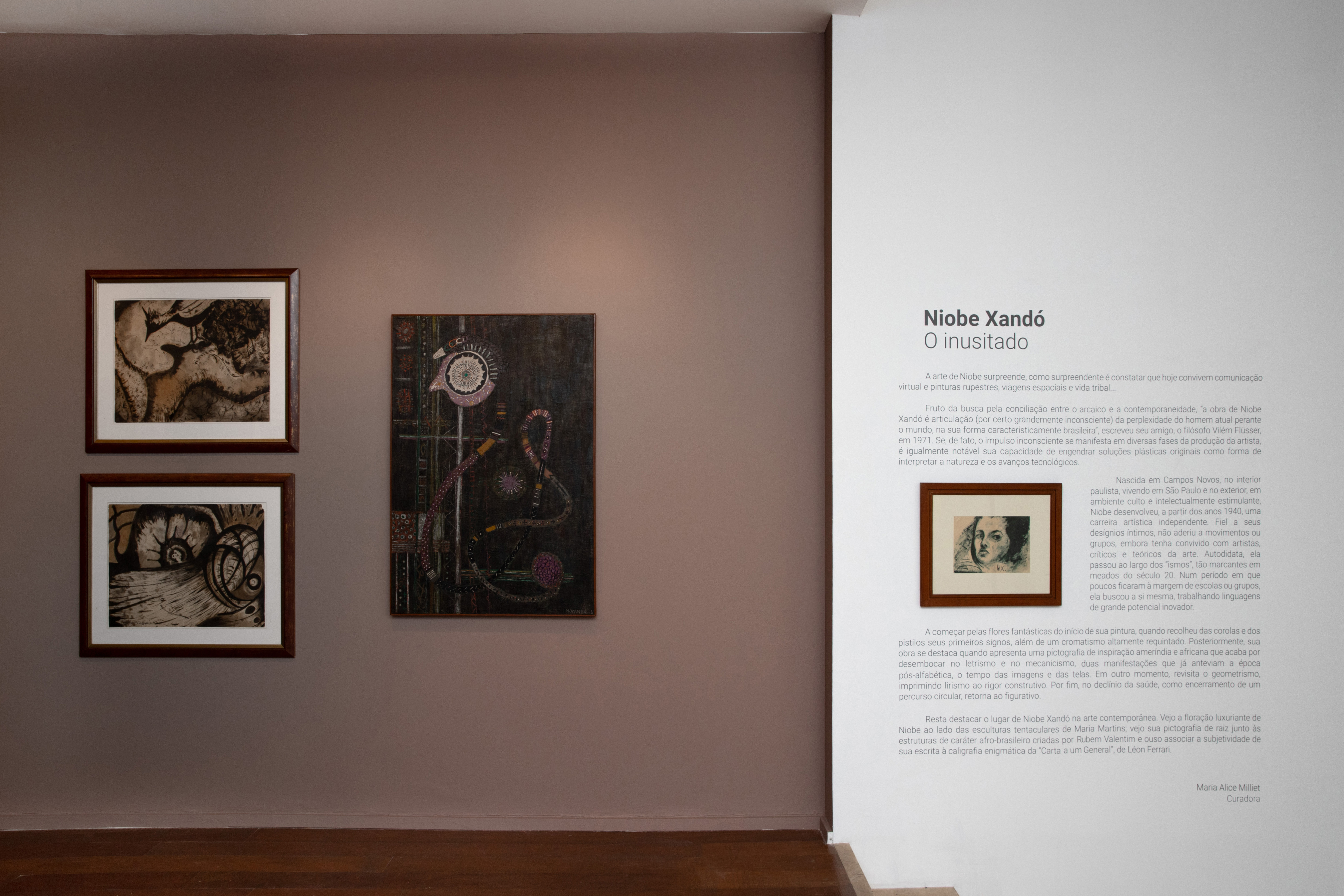
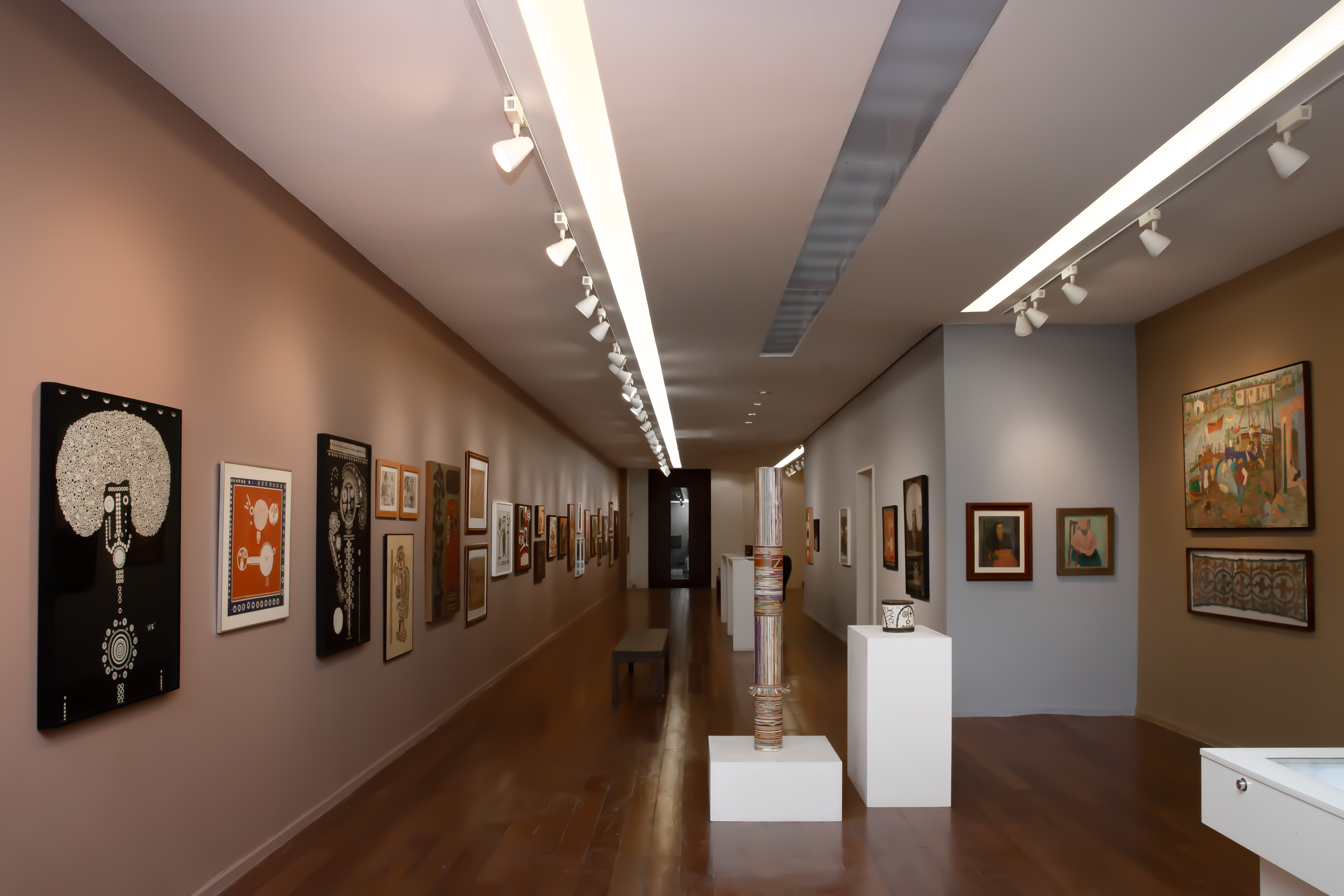
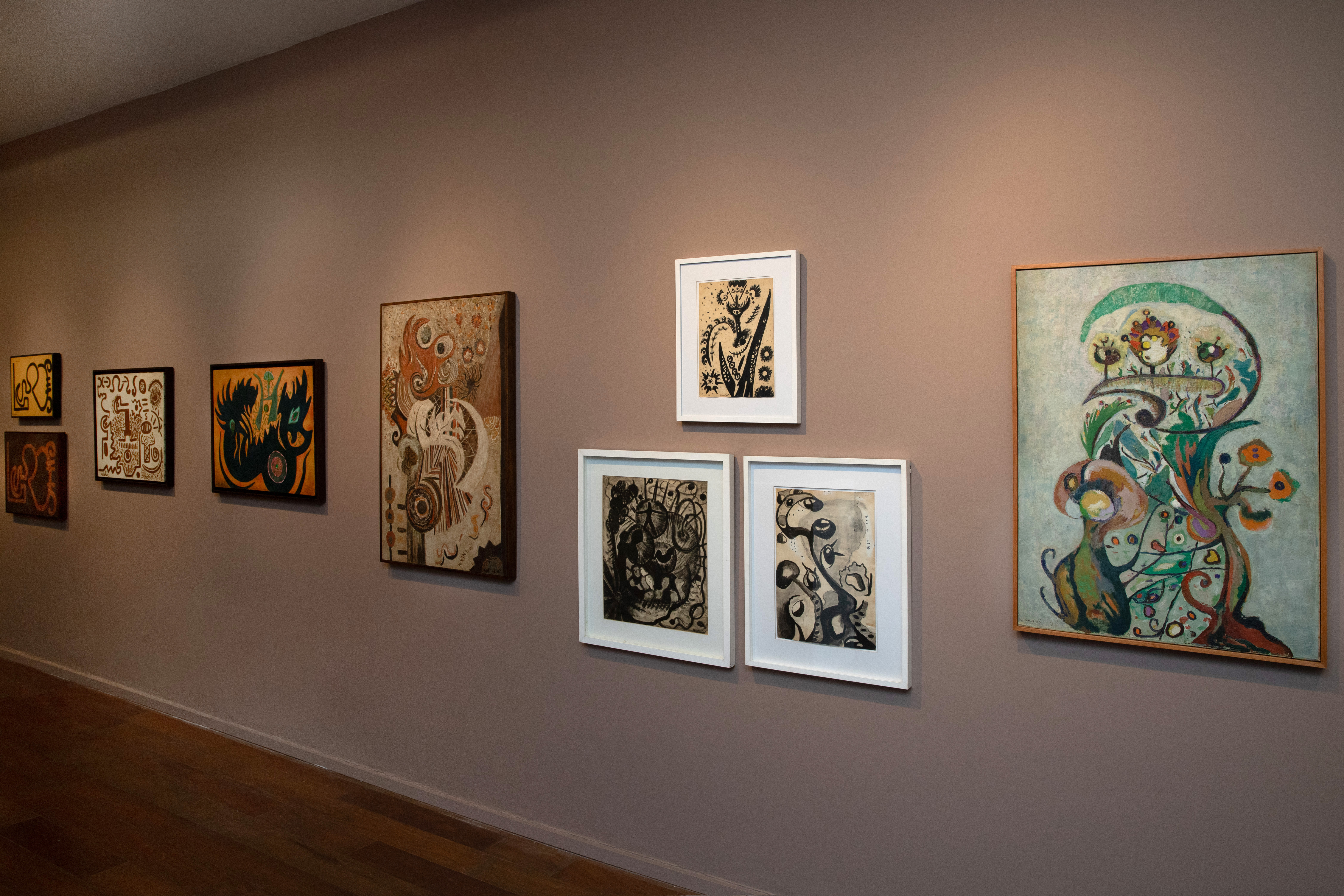
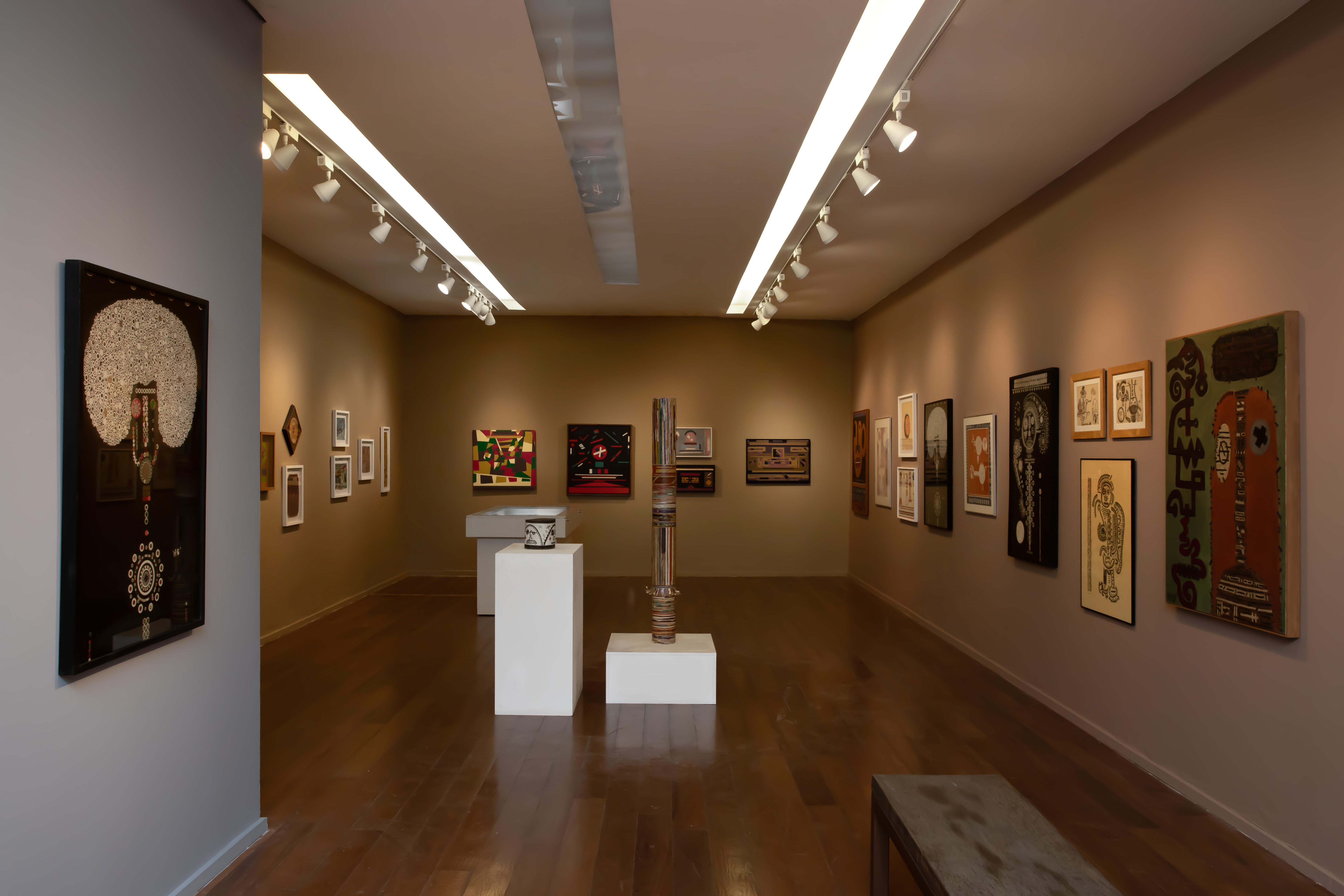
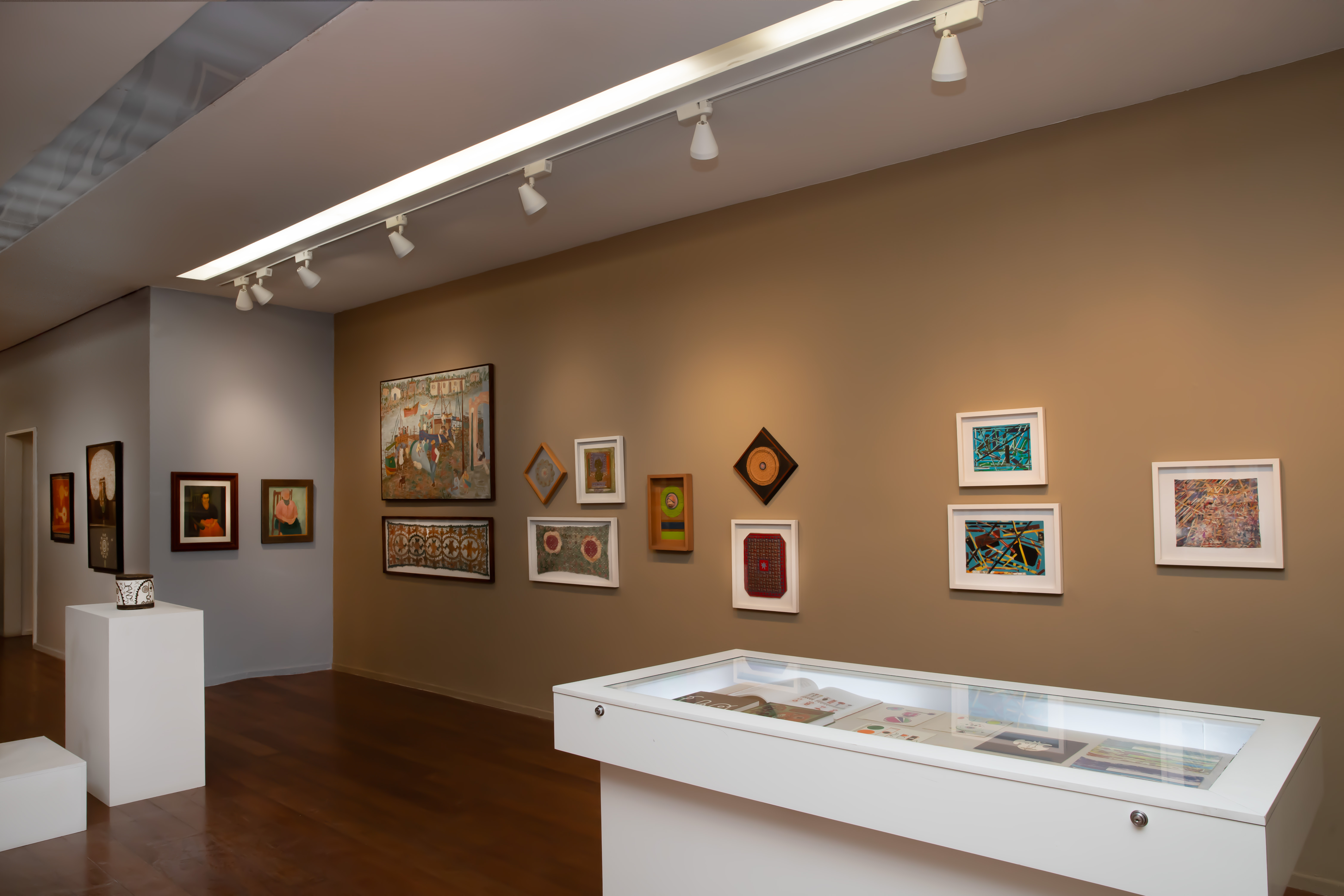
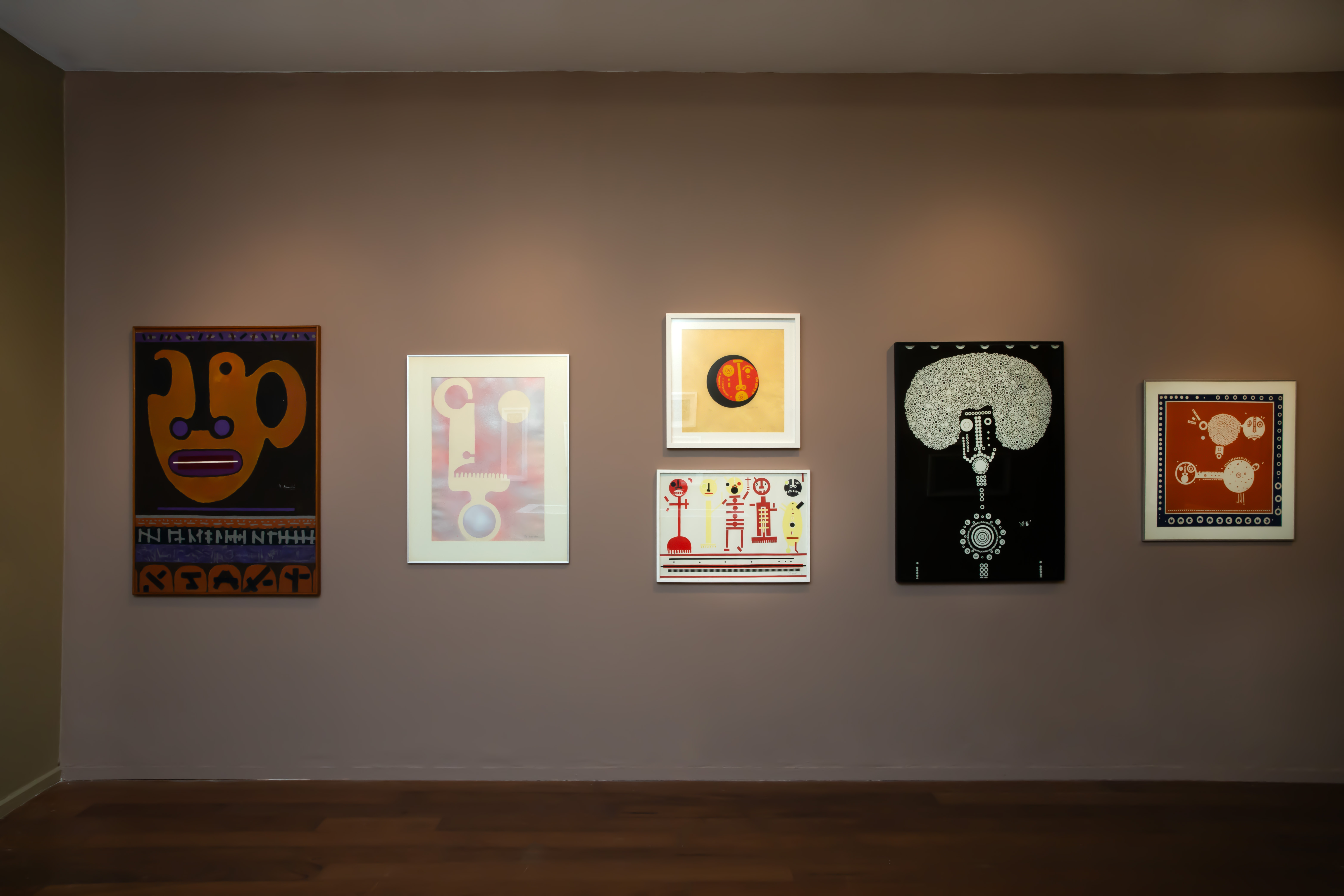
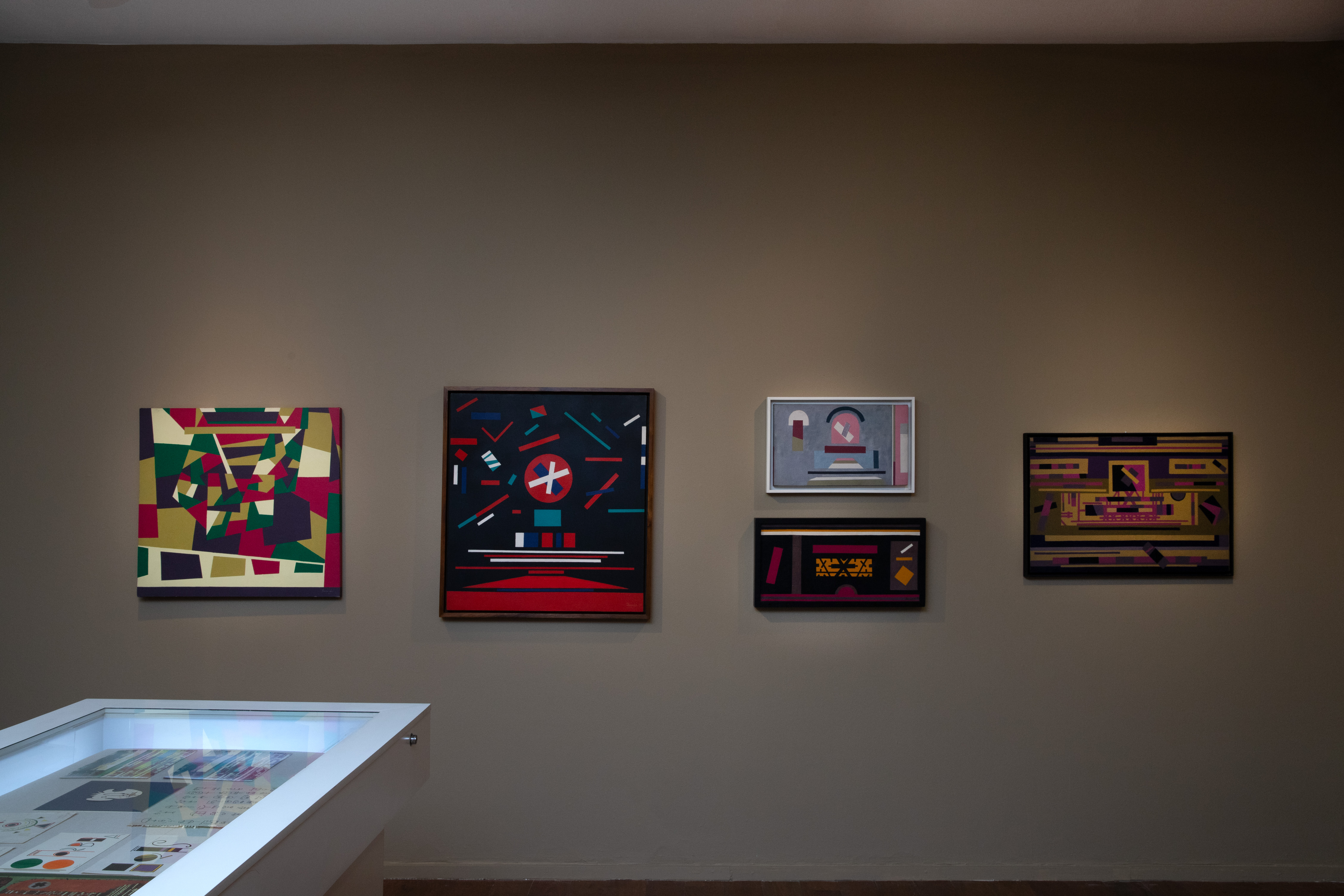
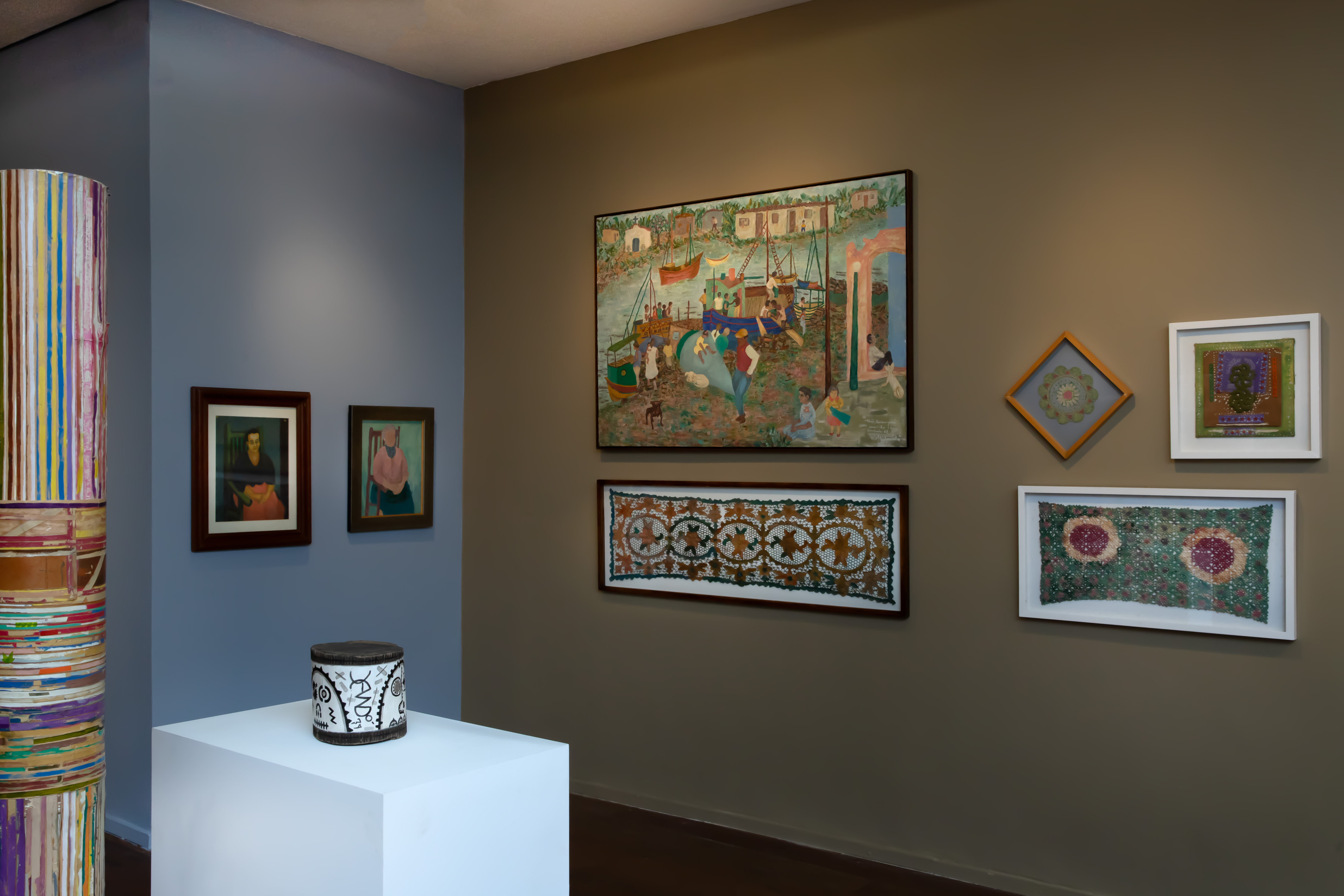
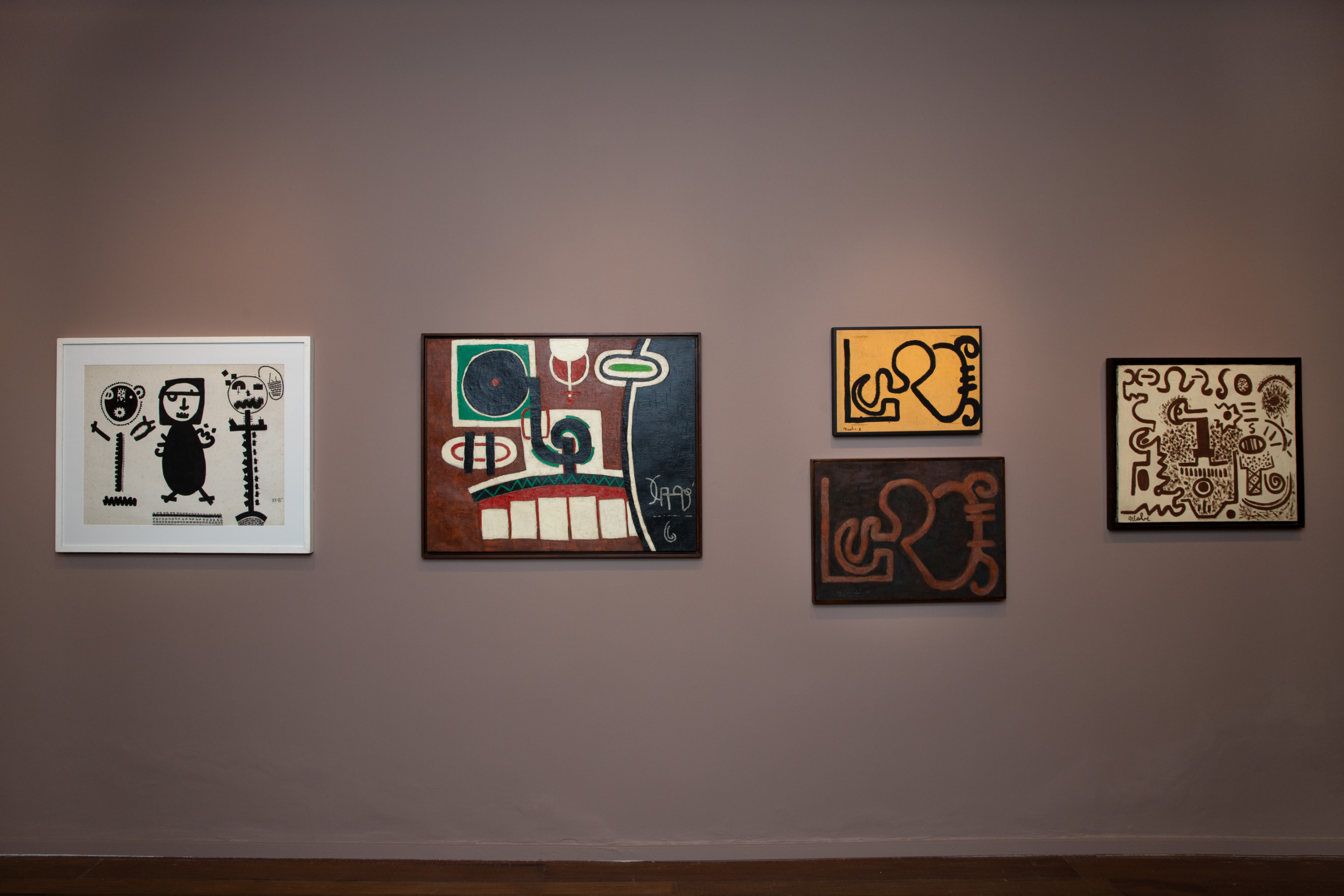
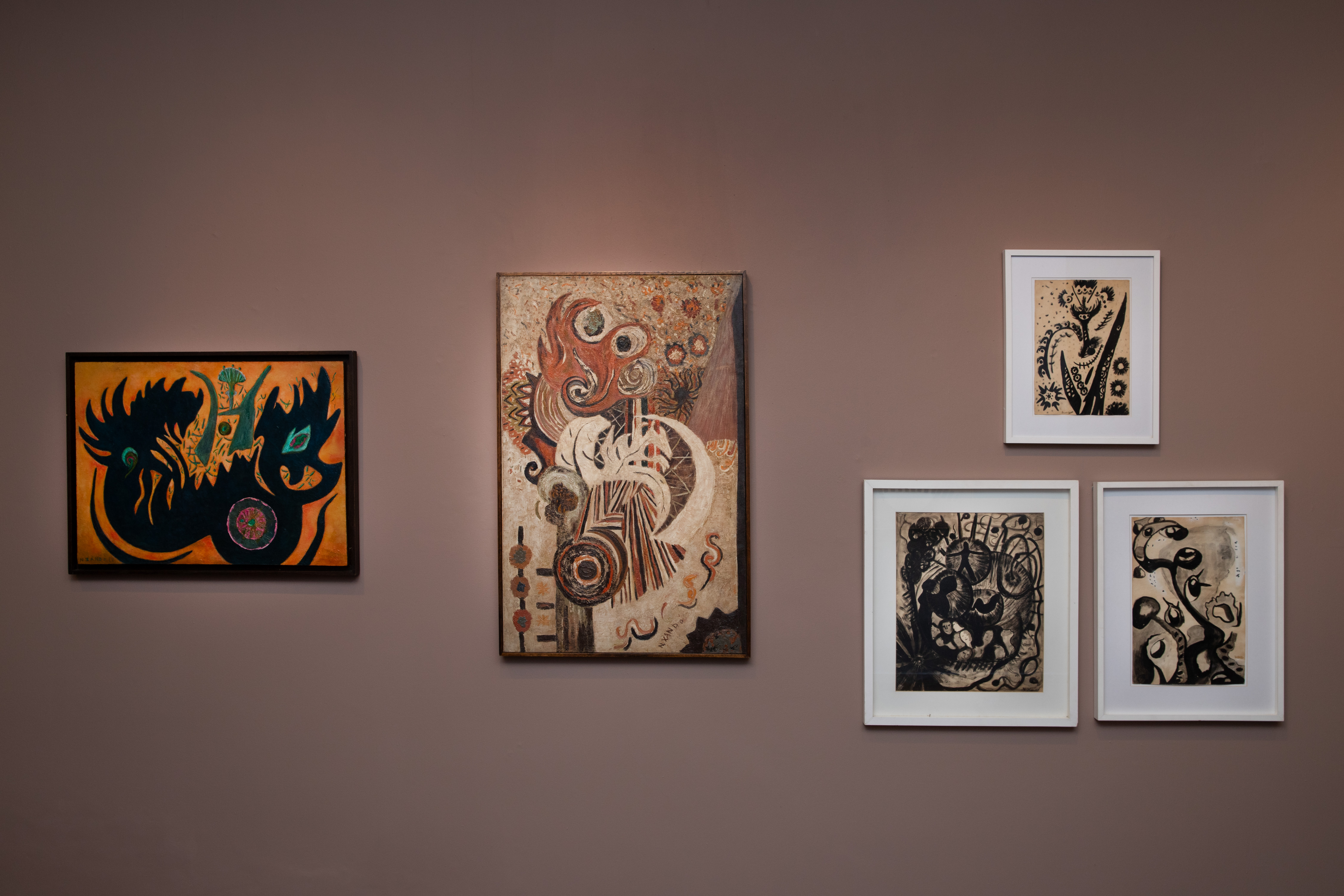
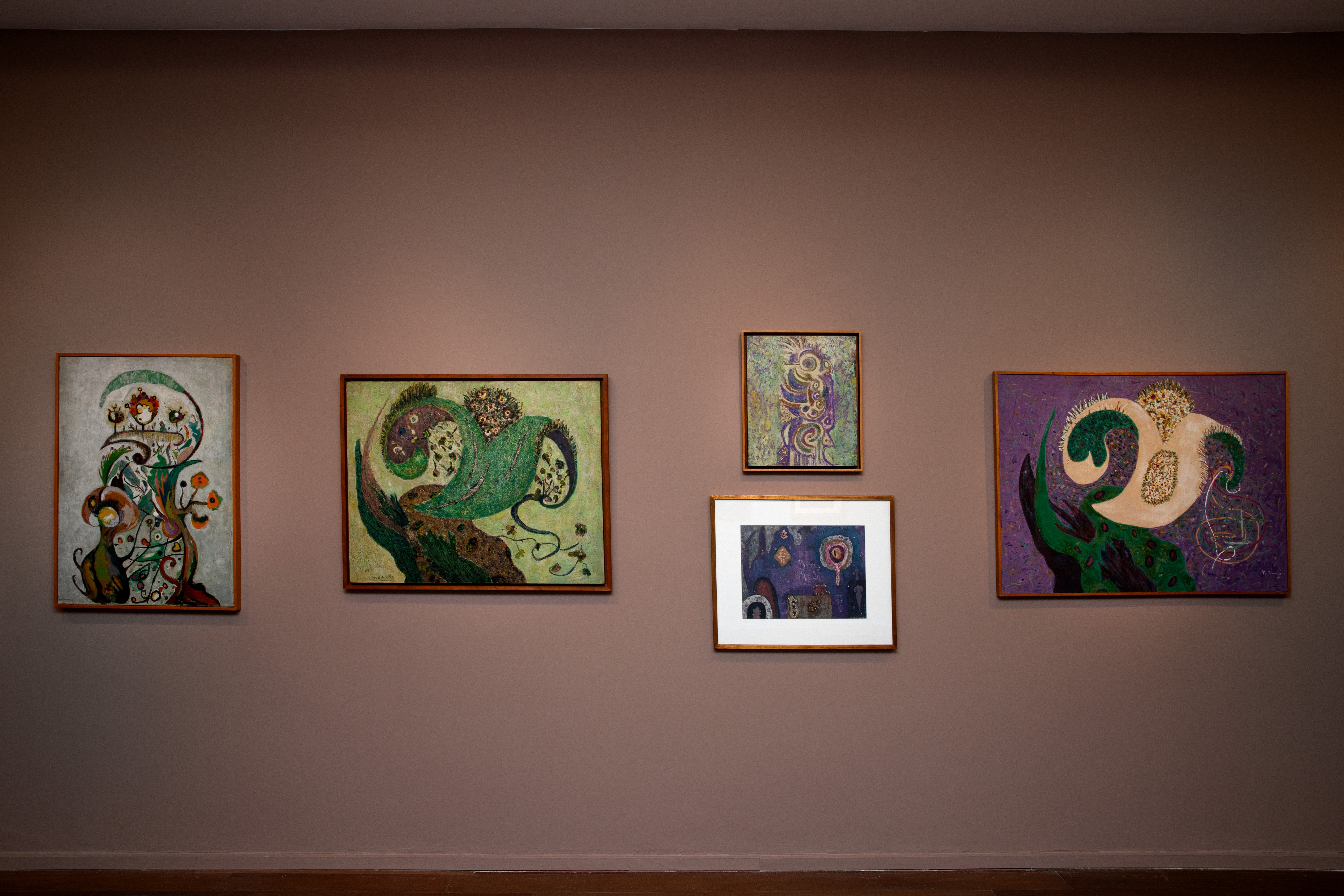
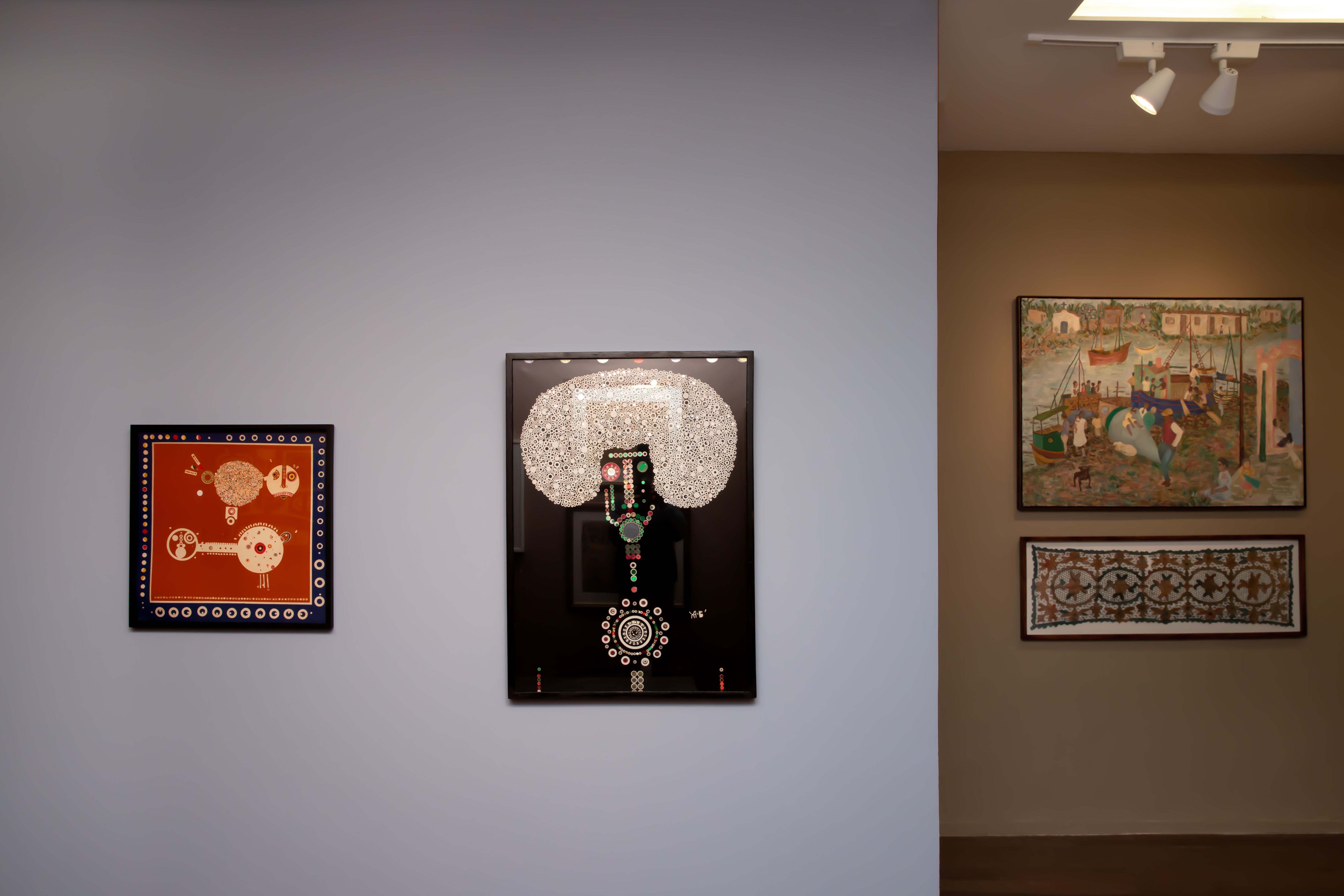
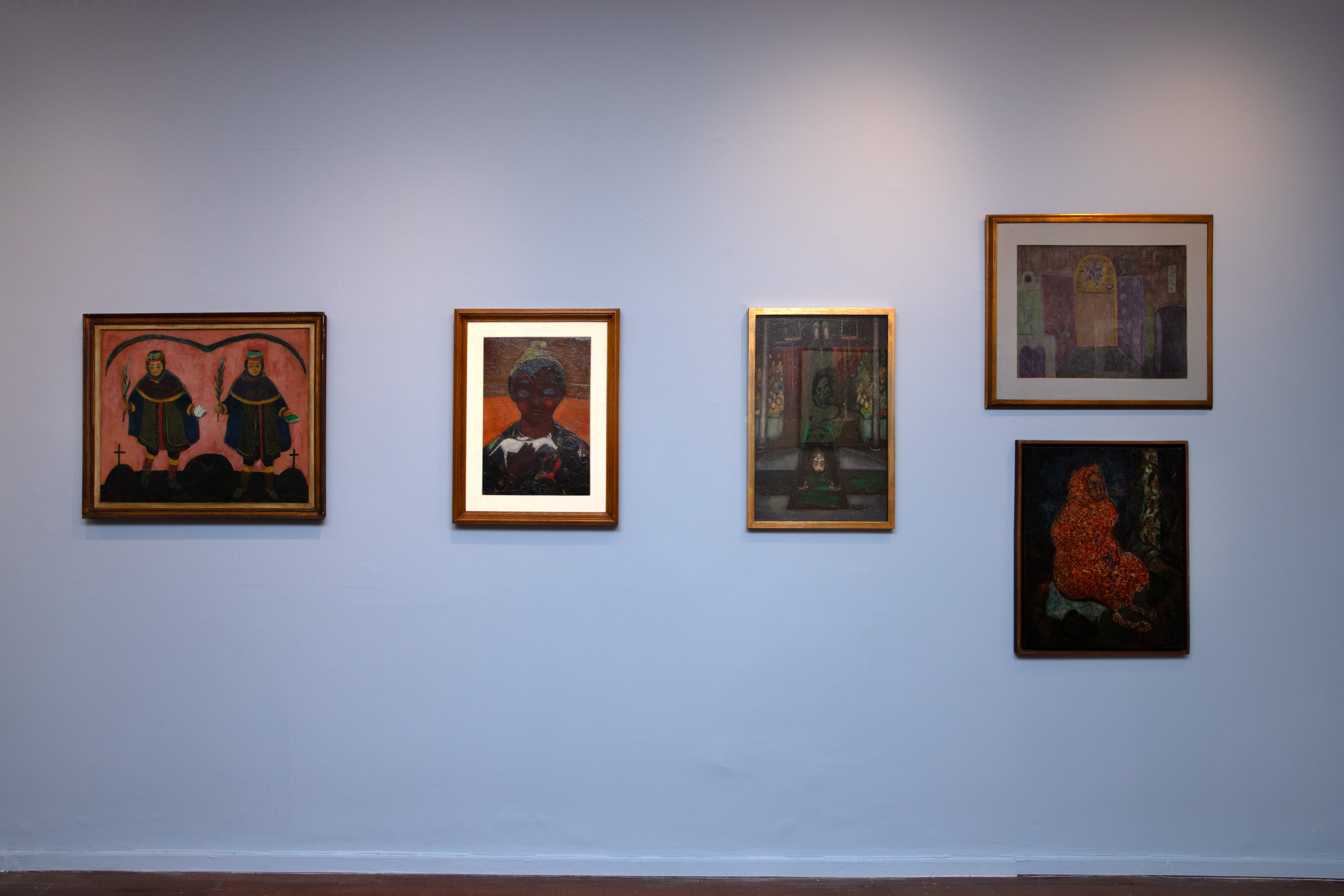
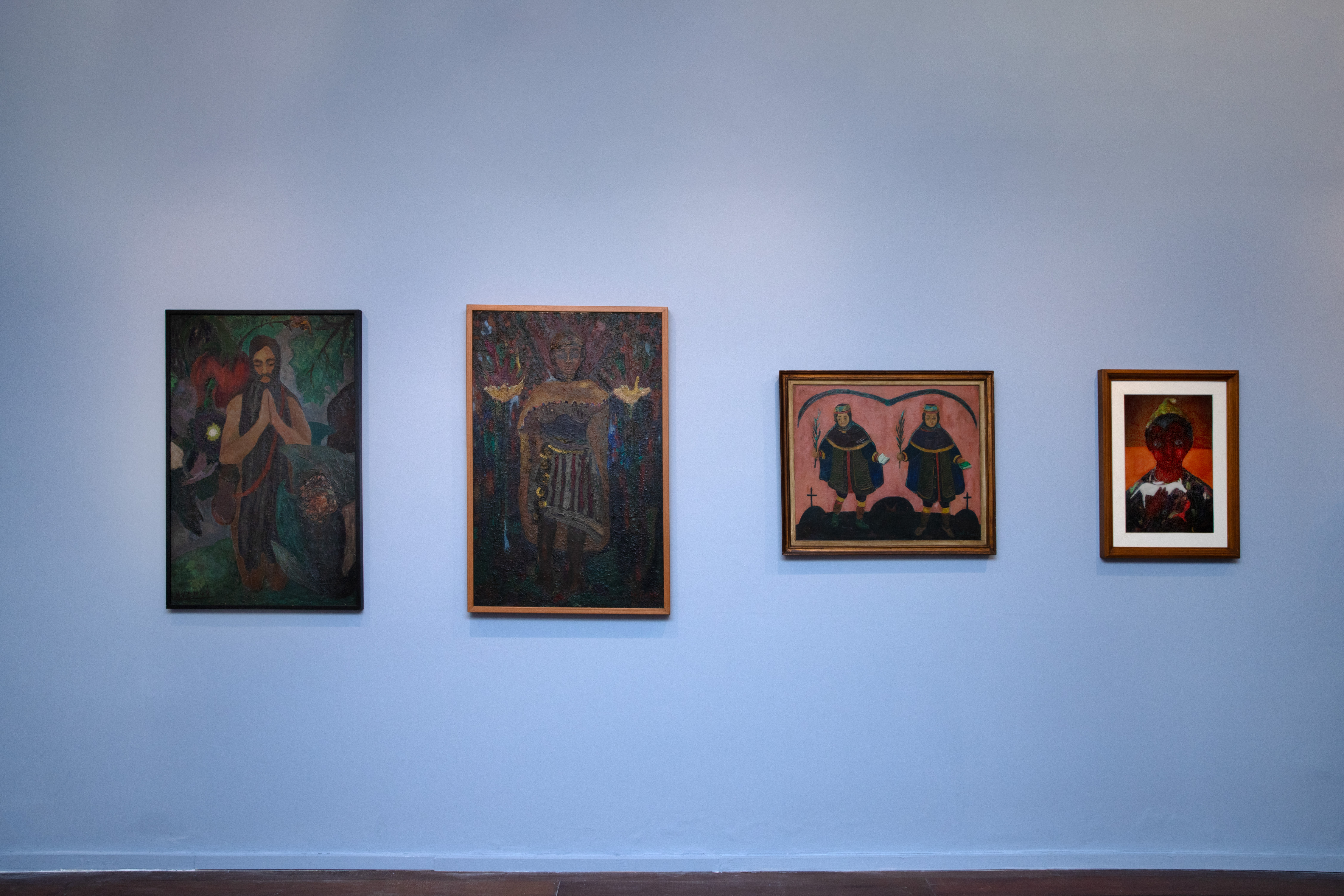
The relevance of Niobe Xandó’s work (1915–2010) calls for a comprehensive exhibition guided by the unusual nature of her creations and by the contrasts between her different artistic phases.
Born in Campos Novos, in the countryside of the state of São Paulo, and later living in São Paulo and abroad within a cultured and intellectually stimulating environment, Niobe developed, from the 1940s onward, a discreet and independent career. Always faithful to her inner convictions, she did not align herself with movements or groups, although she benefited from the proximity of fellow artists, critics, and theorists from the arts and related disciplines.
By keeping her distance from the “isms” so prevalent in the mid-20th century, the artist was able to devote herself to a singular form of painting, born from introspection, technical refinement, and free inspiration. This voluntary isolation surprised many. Over time, however, her work — especially following the retrospective held at the Pinacoteca do Estado de São Paulo in 2007 — has become increasingly recognized.
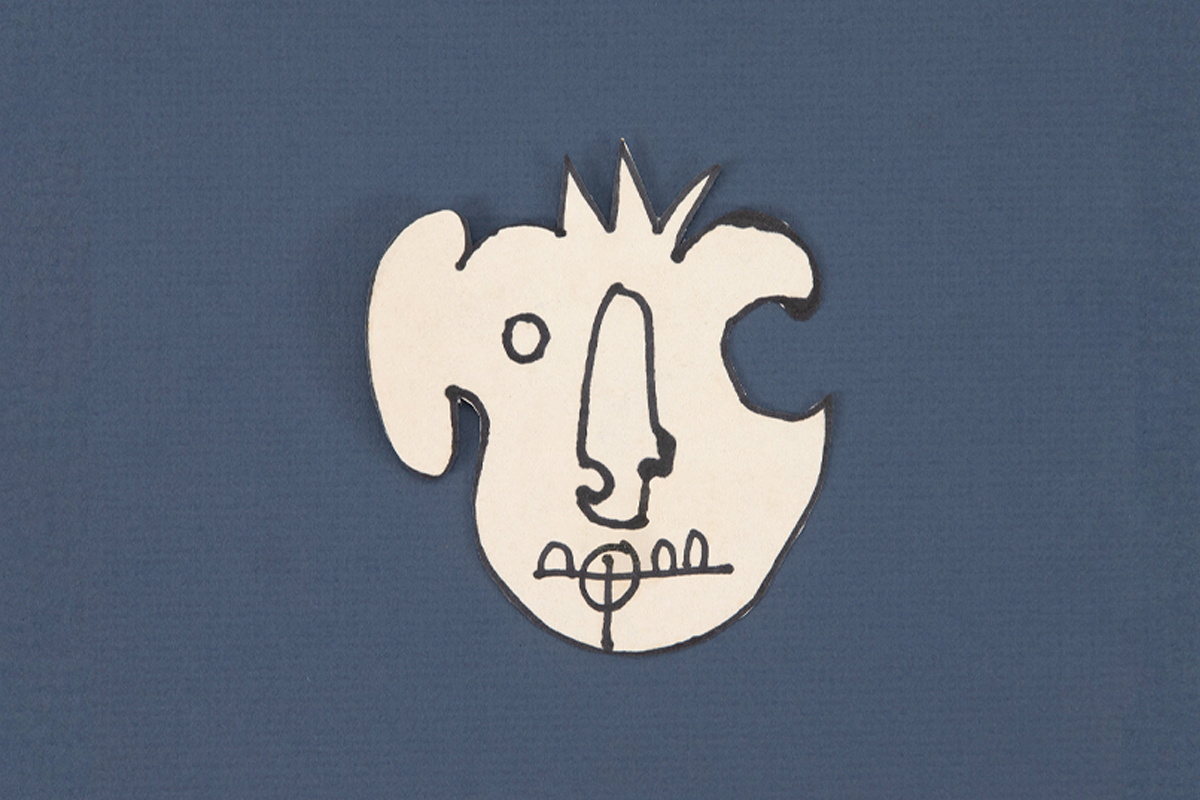
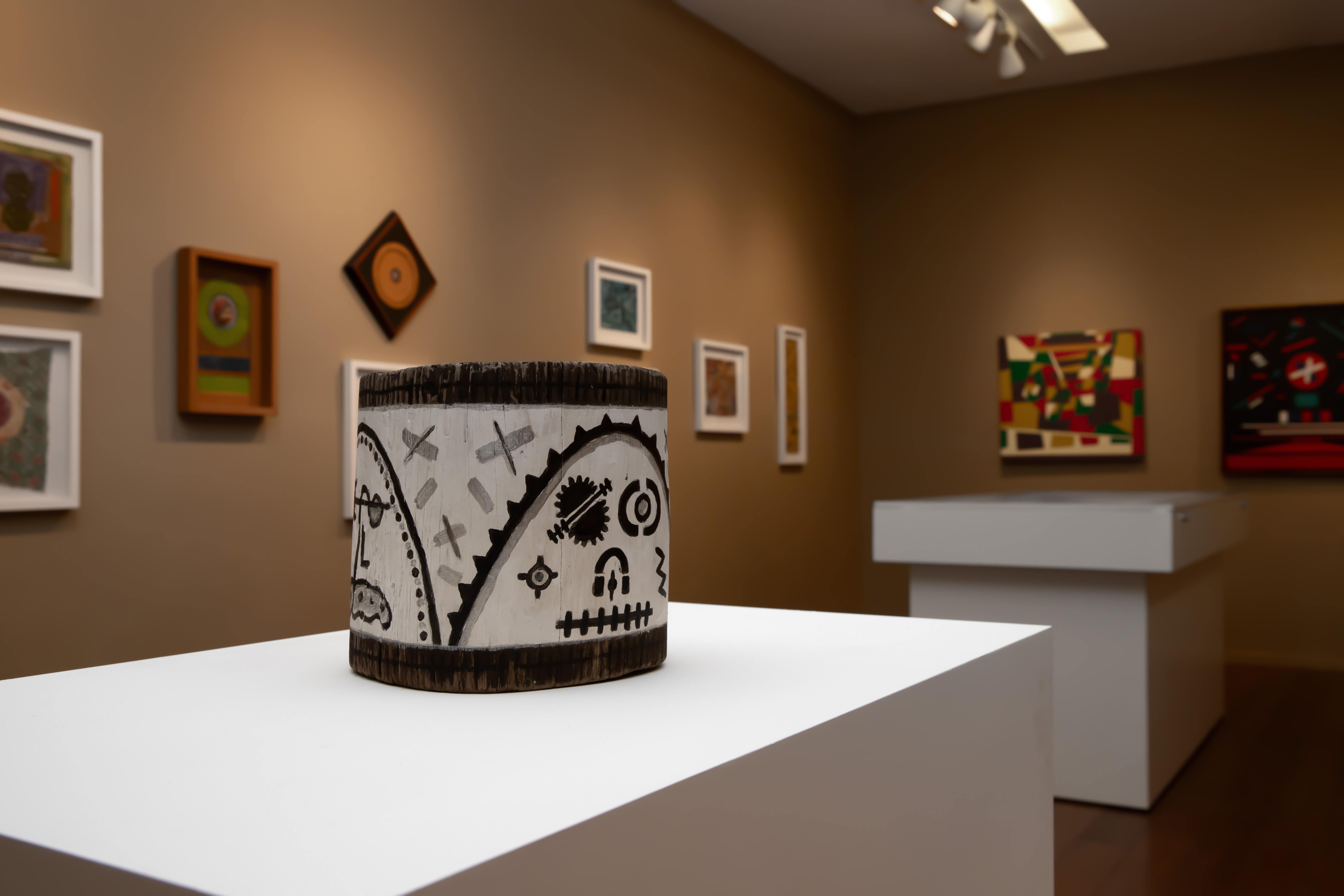
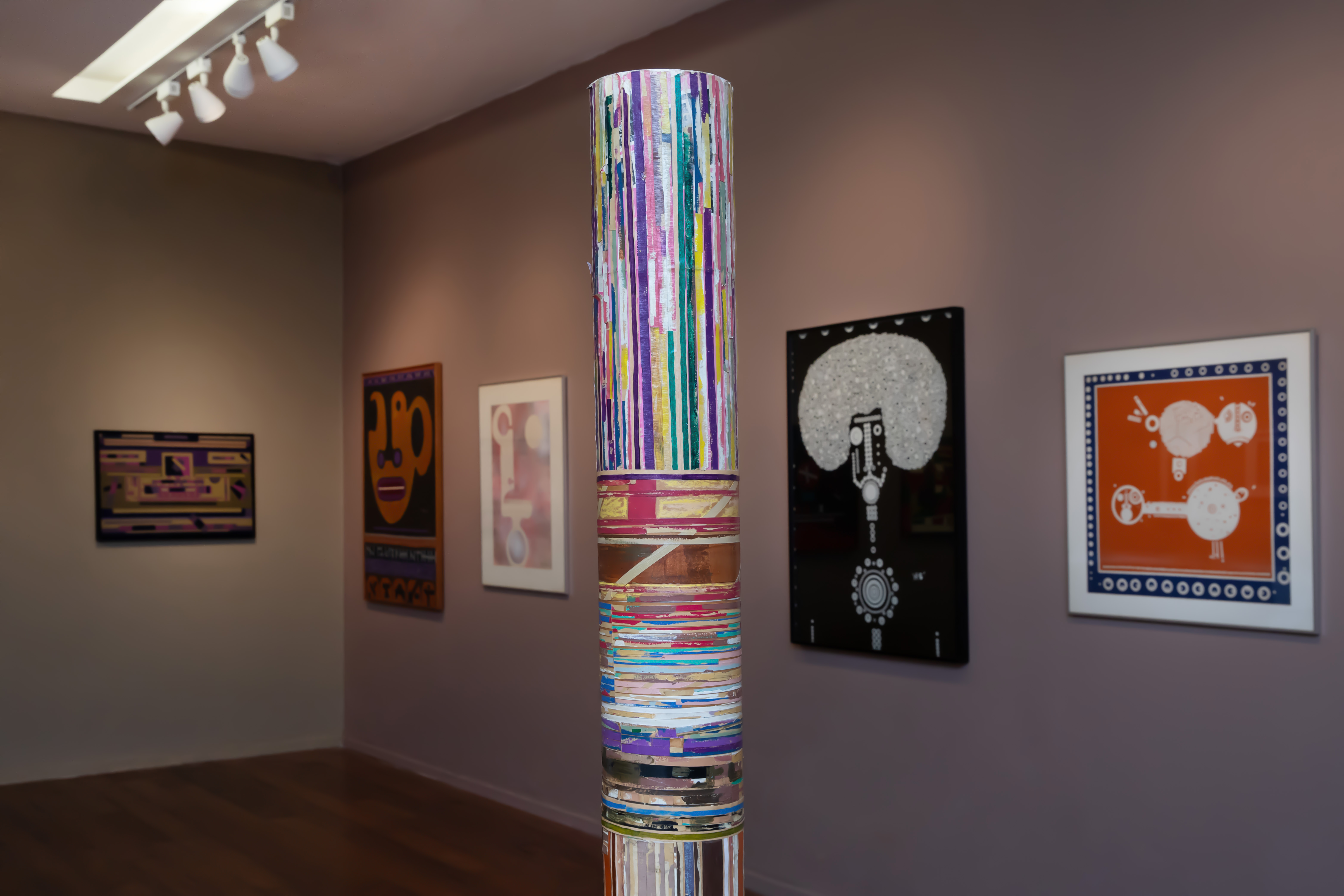
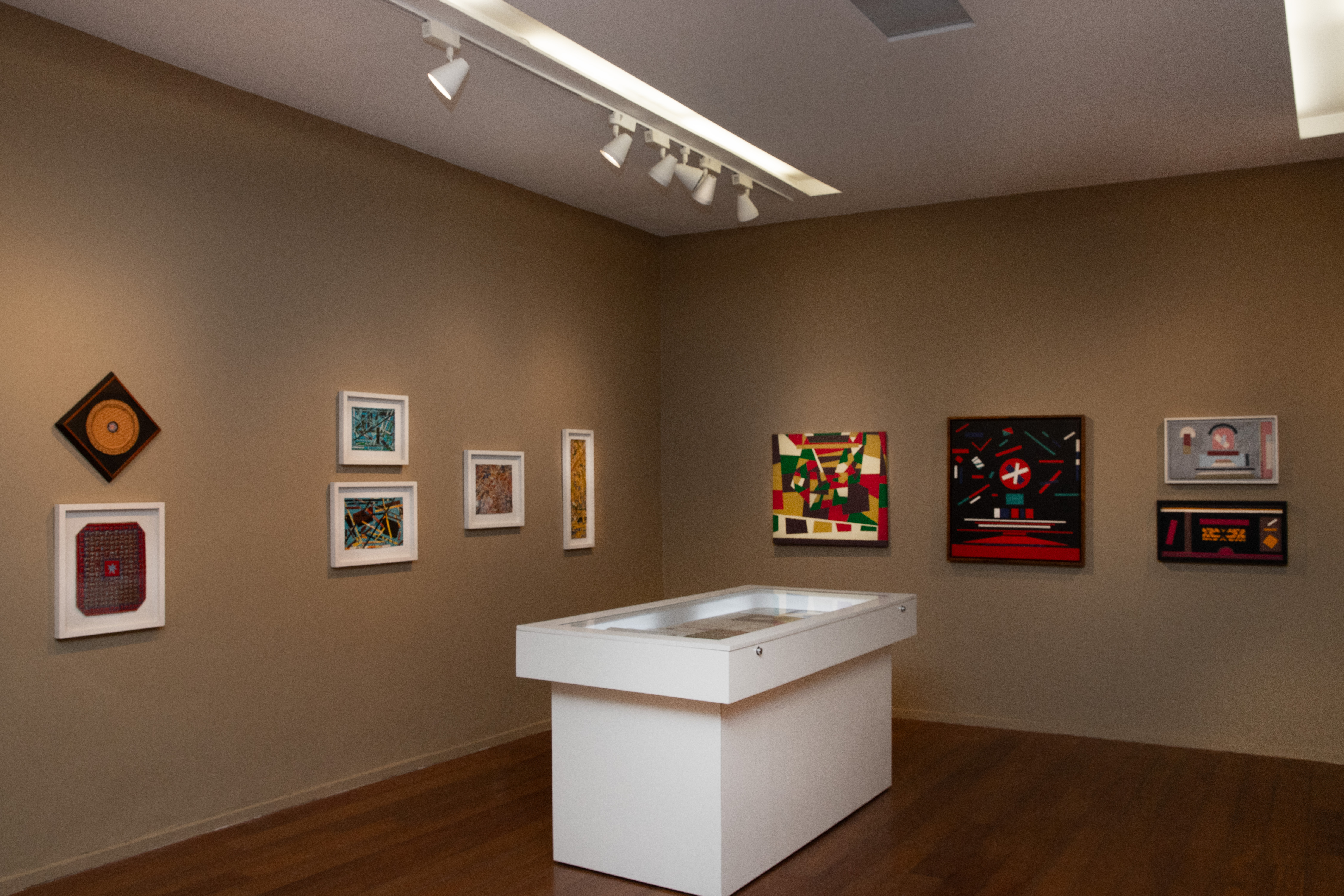
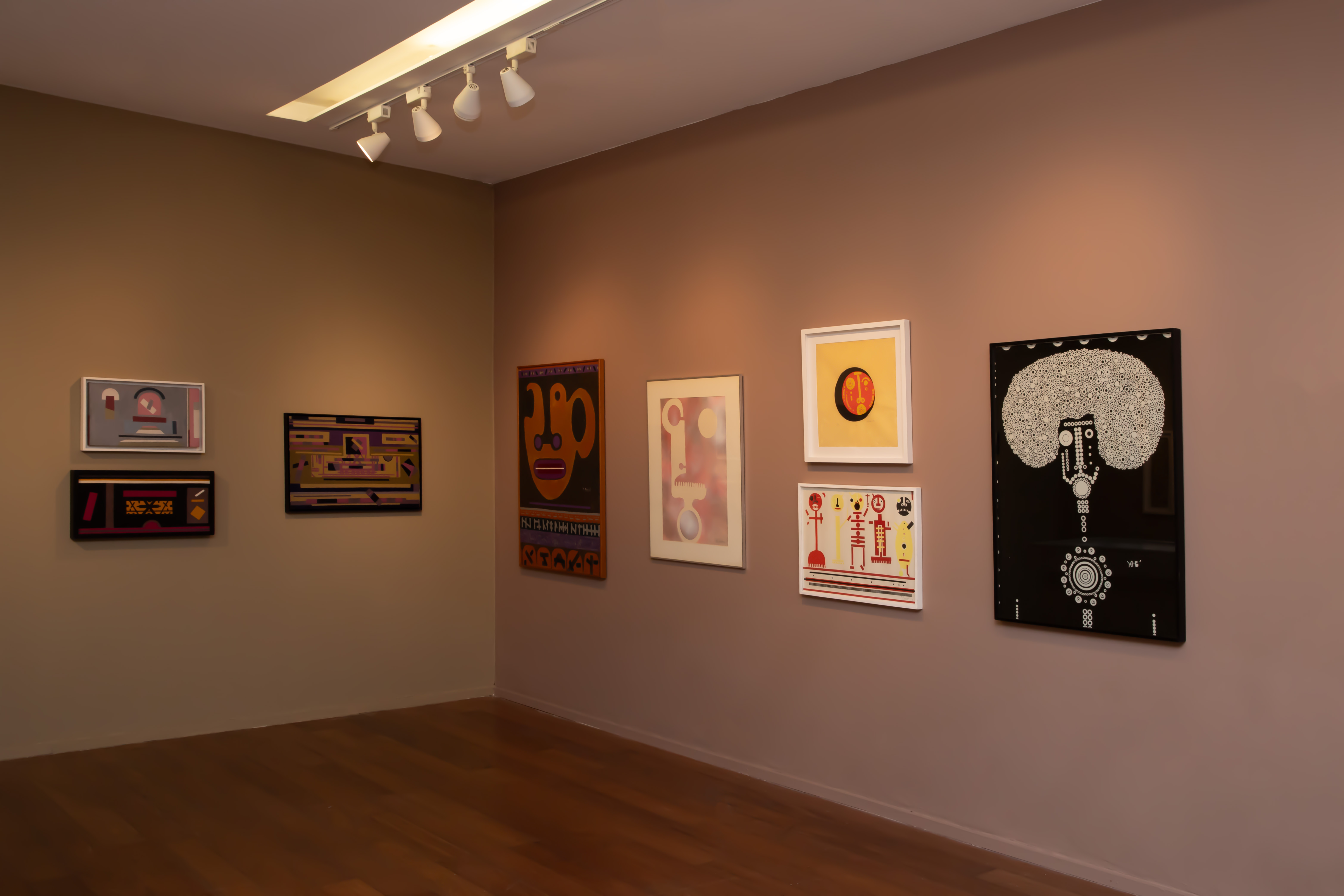
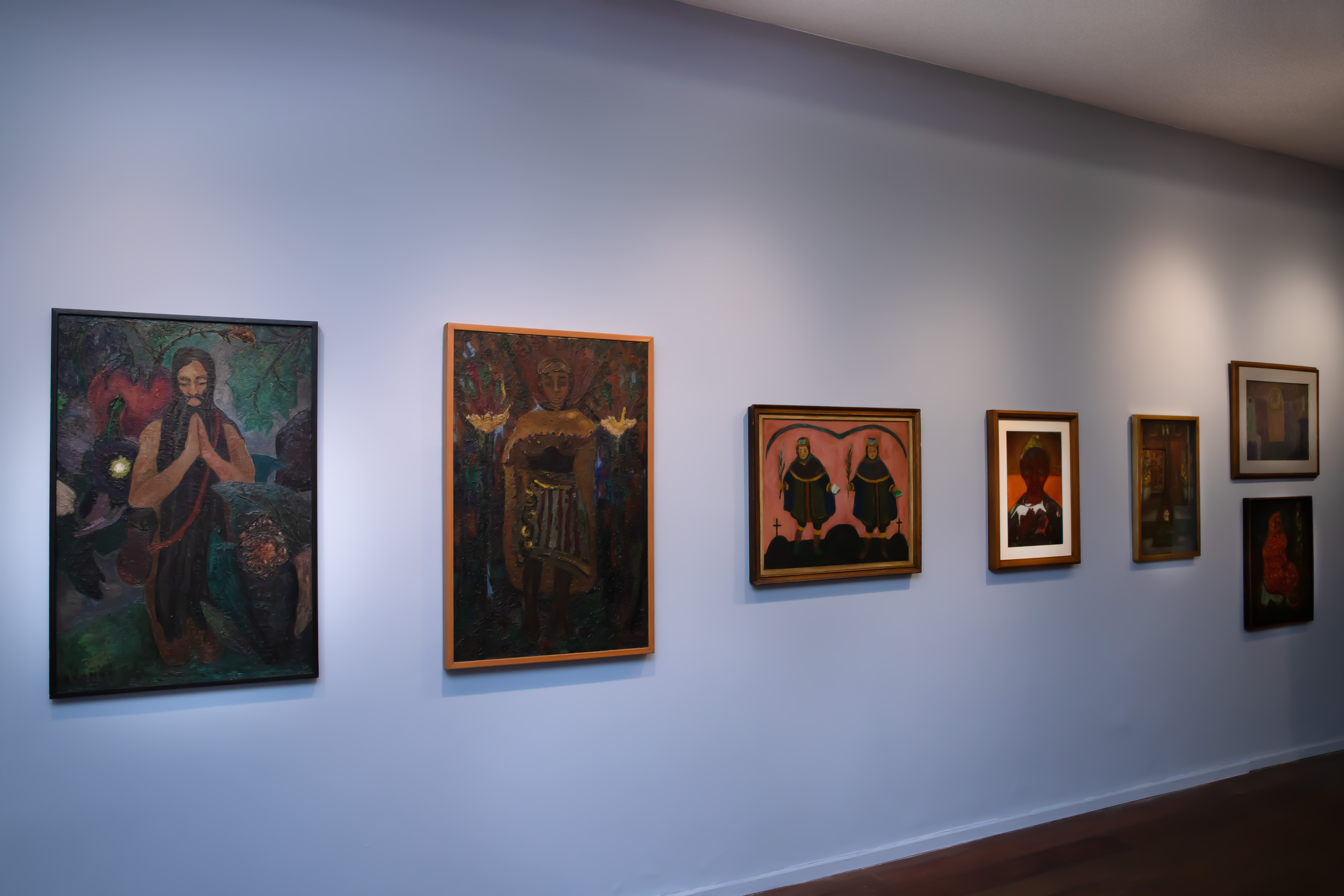
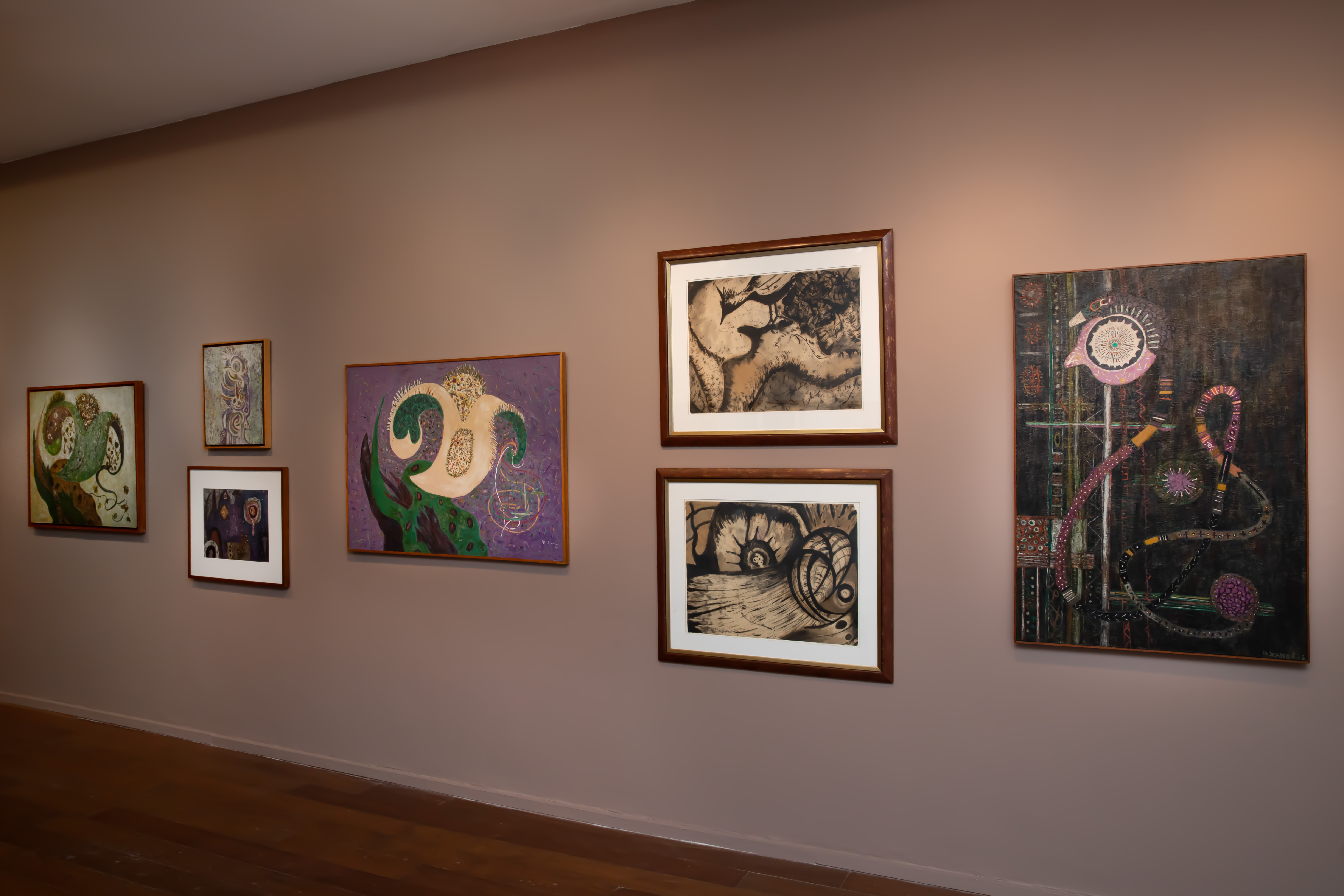
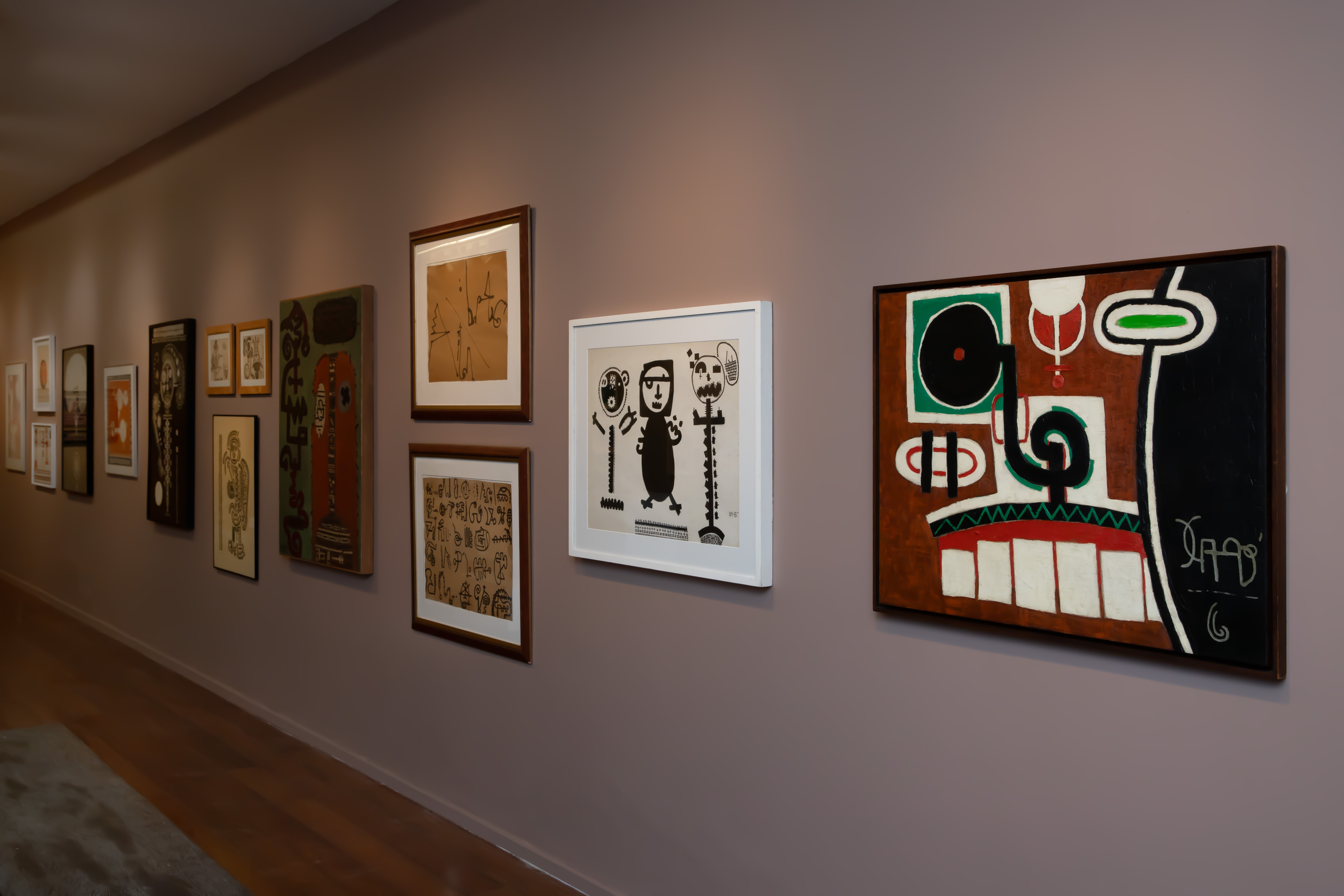
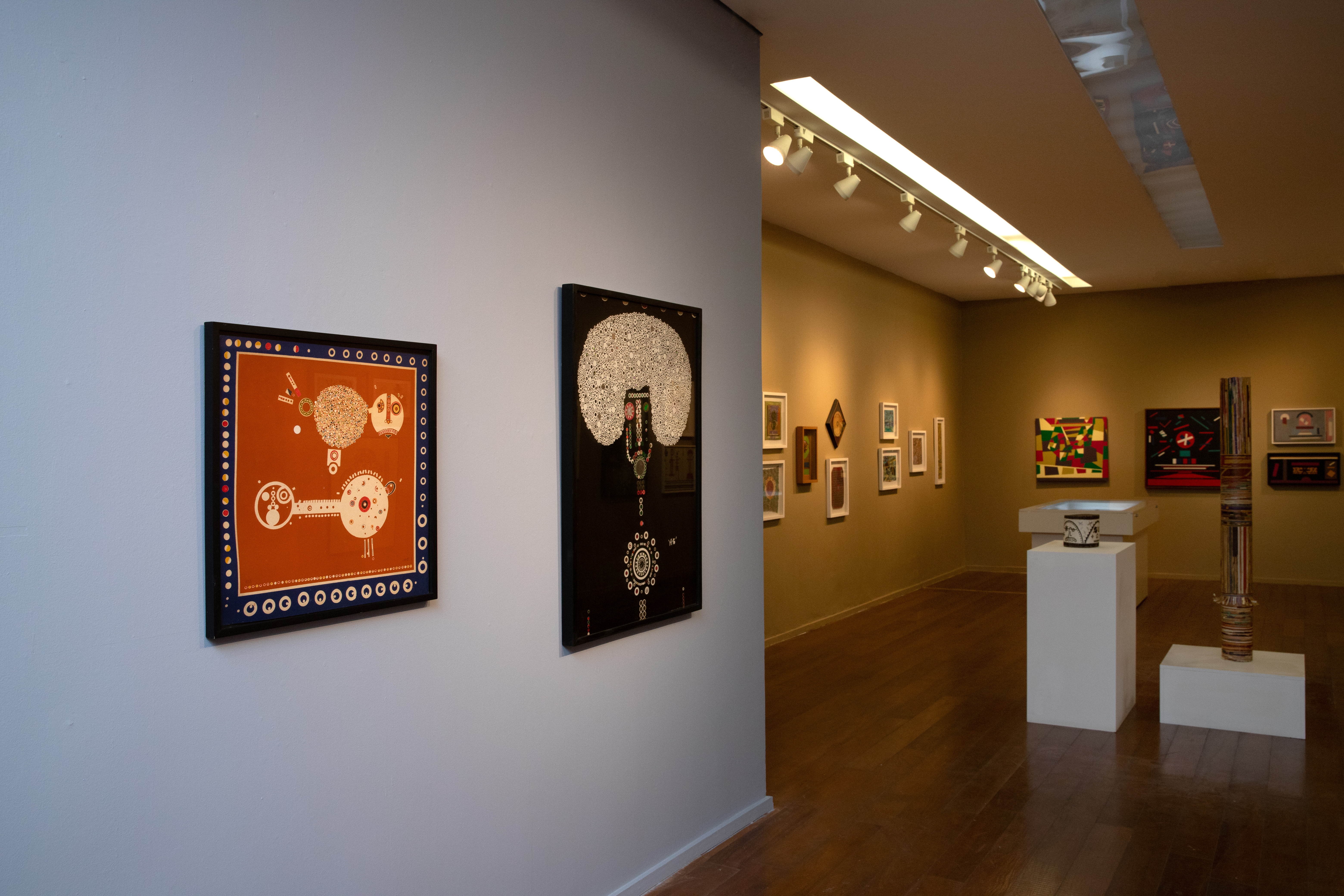
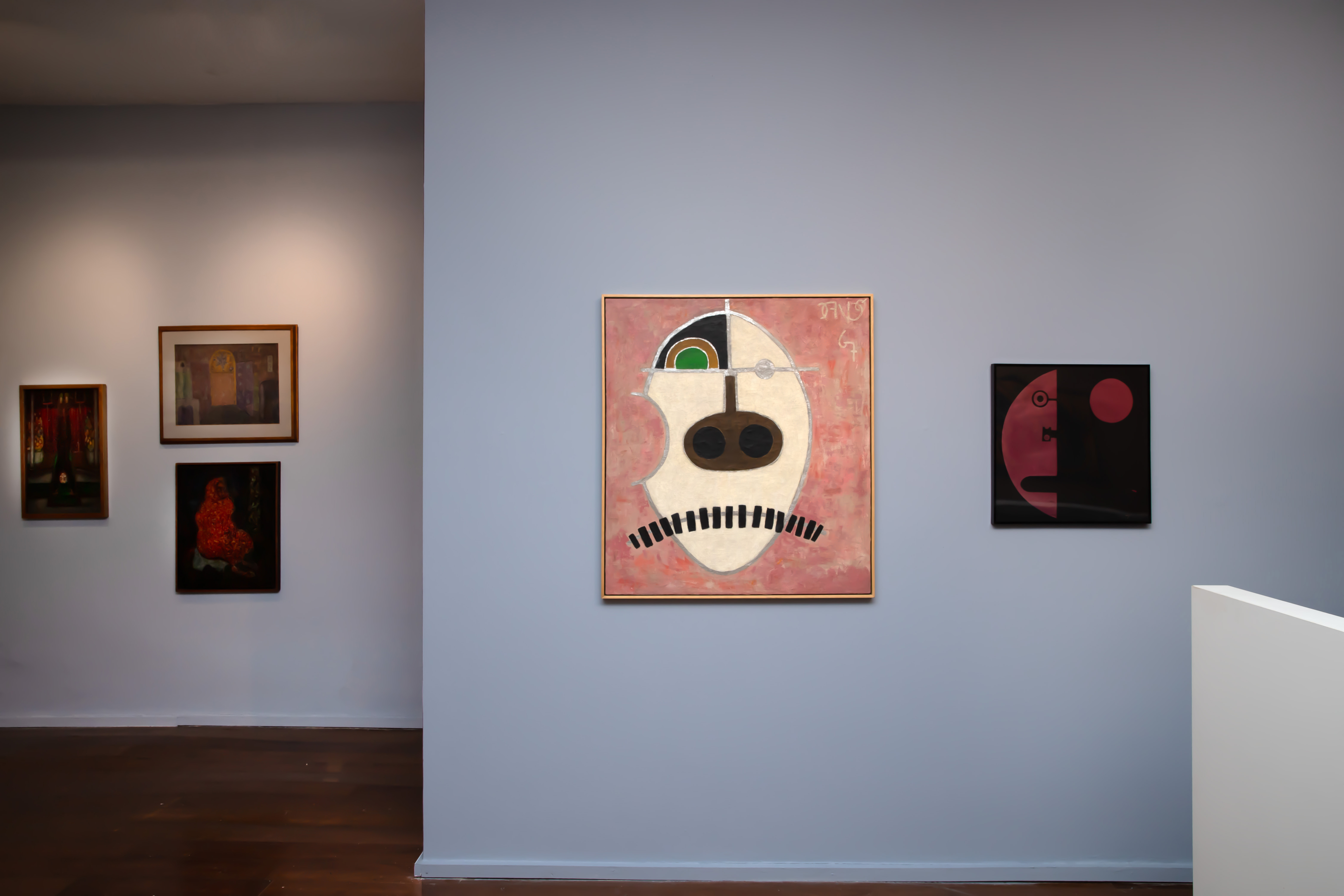
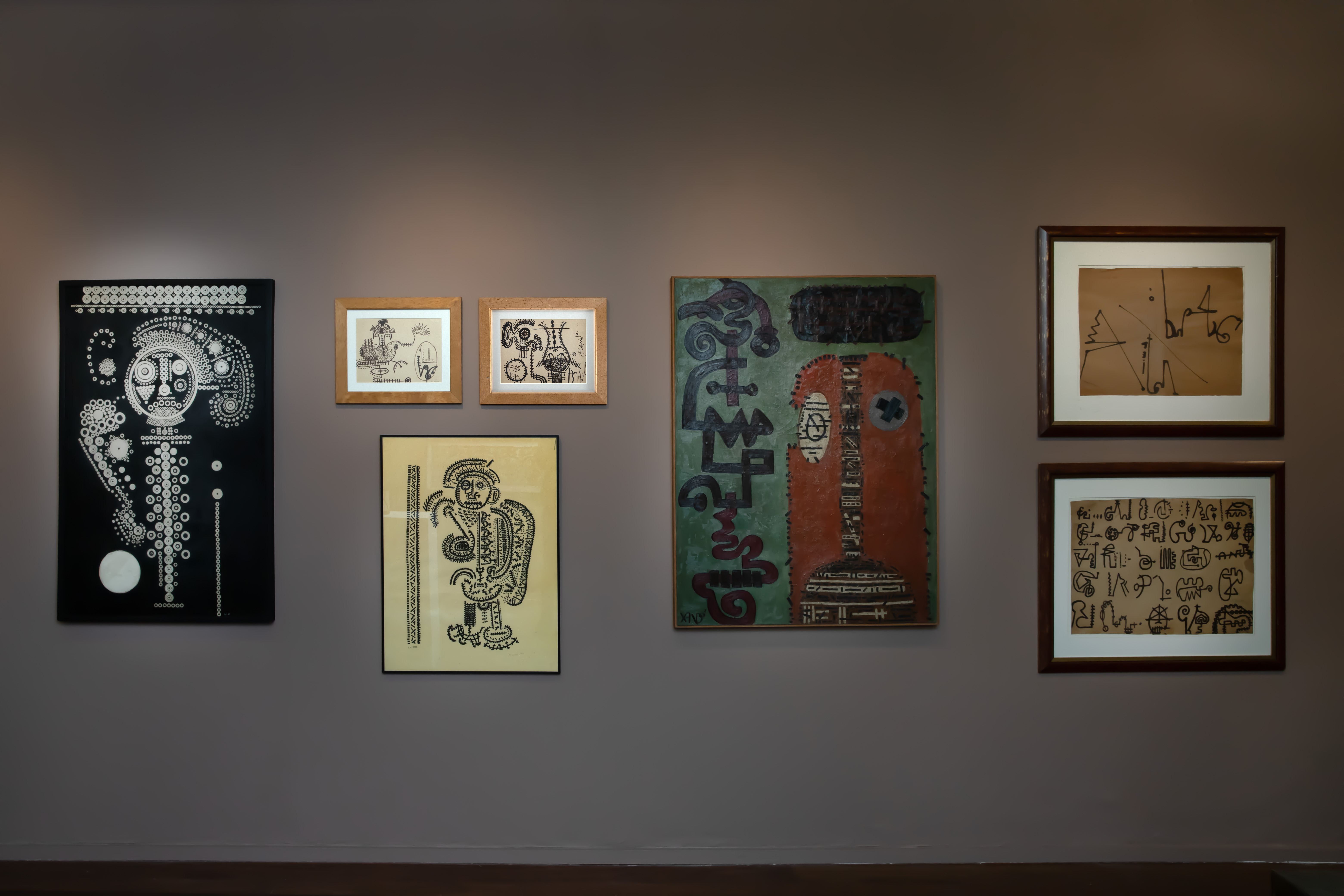
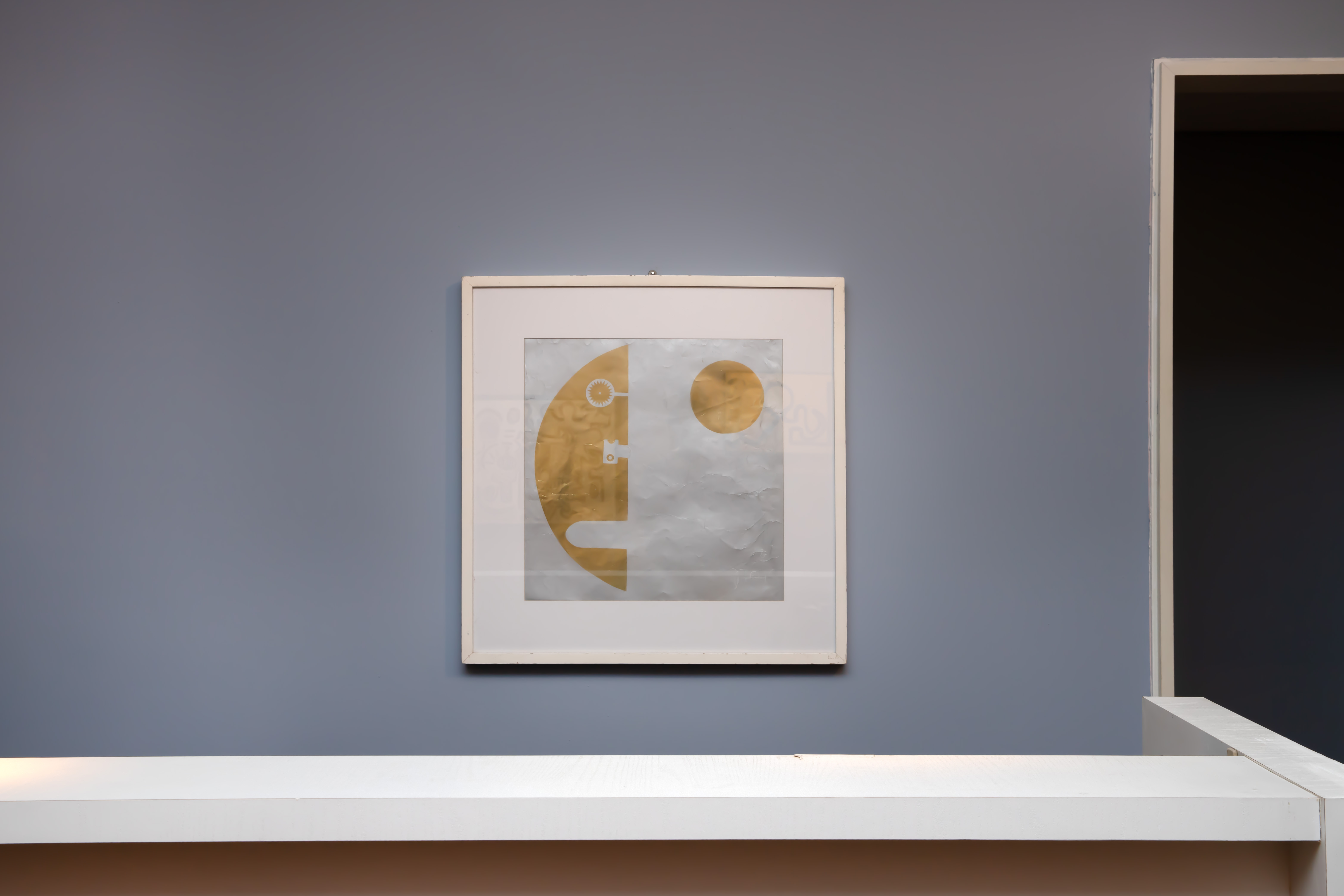
This is because few artists, outside schools or trends, are able to create a language entirely of their own. Such is the case with Niobe Xandó, particularly in relation to her calligraphic drawing and her archaic-inspired forms marked by Amerindian and African influences that unfold into letterism and mechanicism. A pioneer in incorporating elements derived from Indigenous and Black cultures into contemporary art, her work is never banal, even across different phases. From the exotic flowers of her early paintings to the lyrical geometrism of the 1980s, her oeuvre continually surprises through the unusual nature of its themes and the visual solutions it adopts.
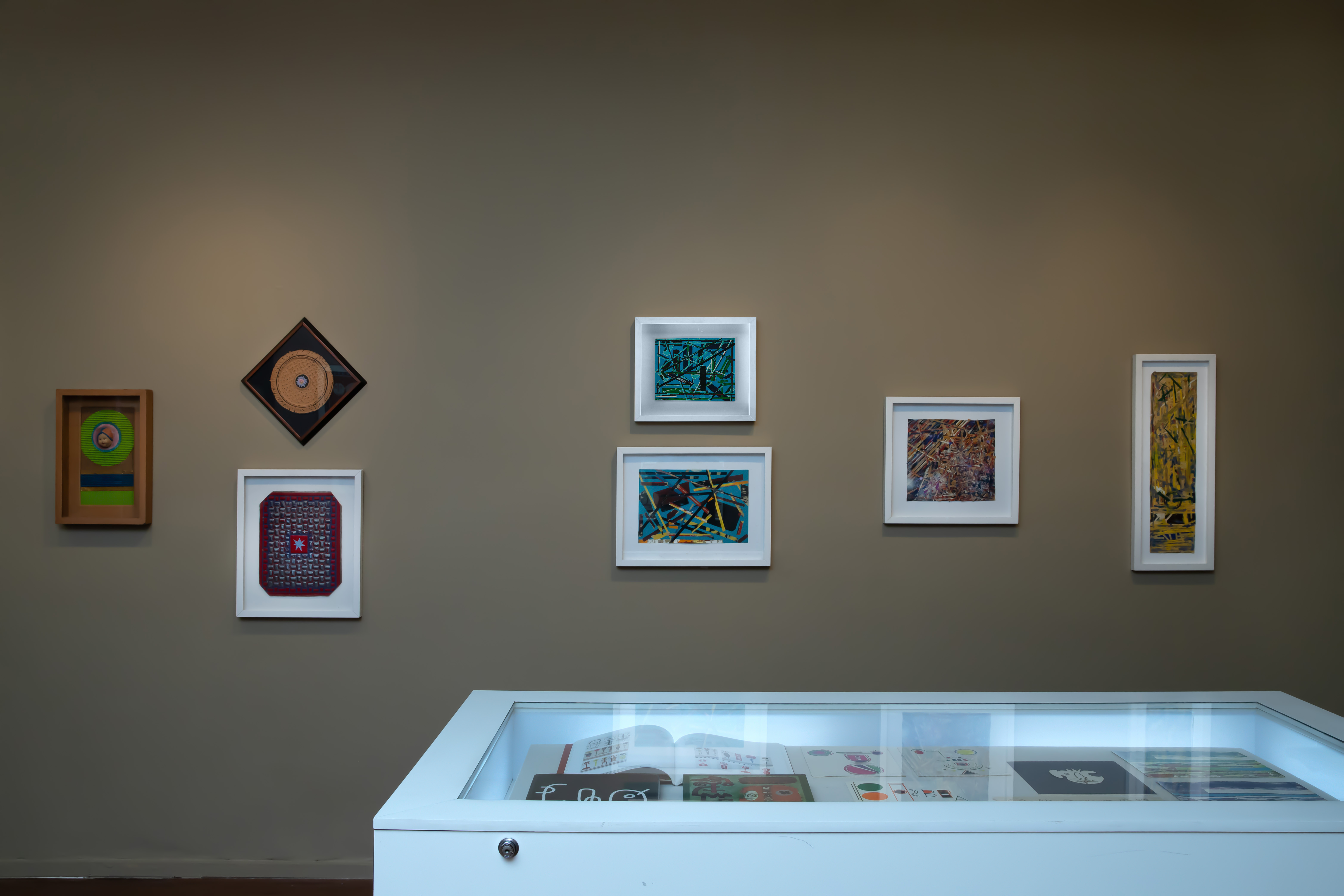
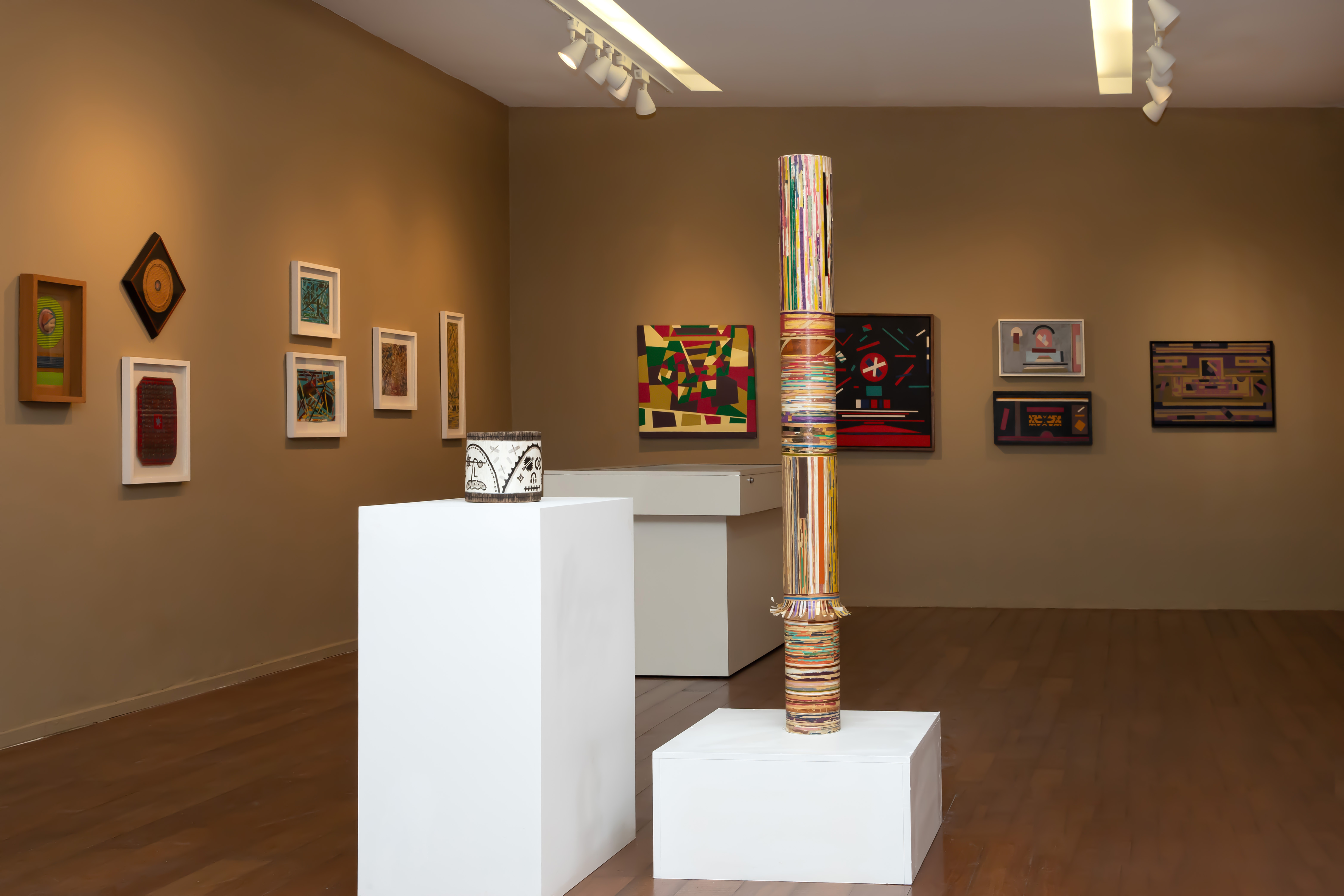
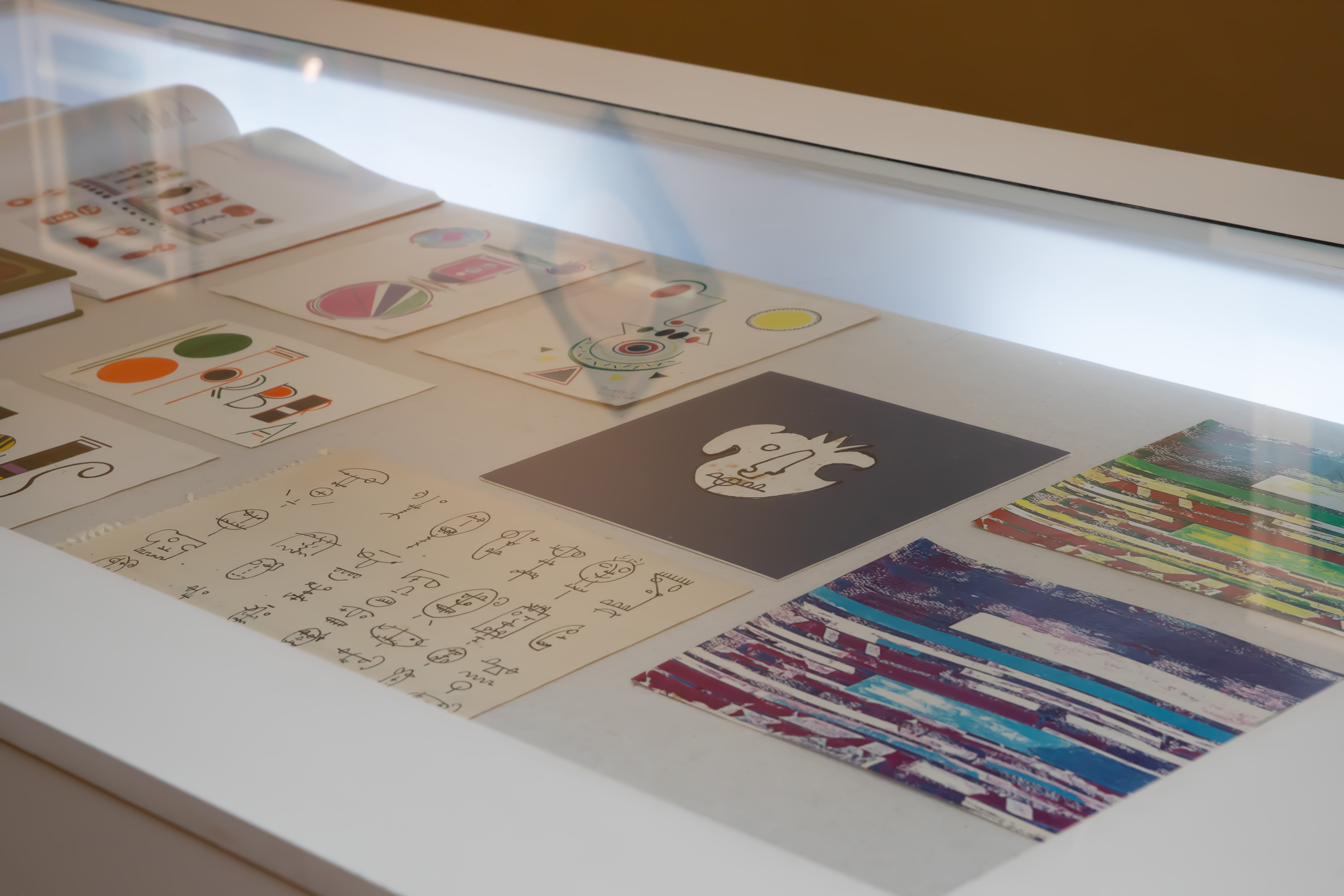
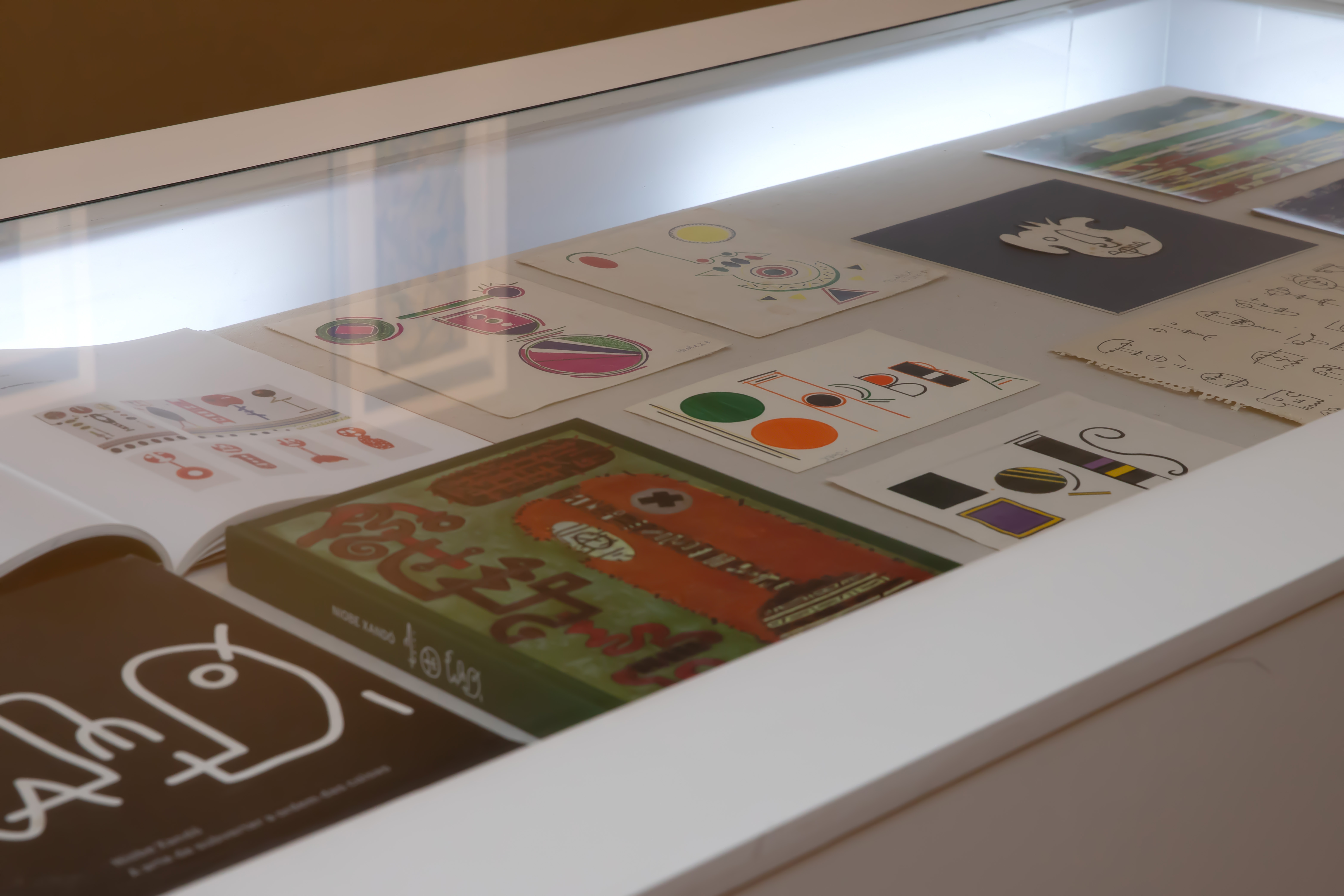
The exhibition will present approximately 70 works, including paintings, drawings, serigraphs, objects from different phases, and selected historical documents.
Curator: Maria Alice Milliet