ROTAS SP-ARTE 2026
Arcangelo Ianelli: The Landscape After the Landscape
Some artists move through the Brazilian 20th century by changing their language with each decade; others, rarer still, spend the century deepening a single question. Arcangelo Ianelli (Piracicaba, 1922 – São Paulo, 2009) belongs to this second kind. Seen as a whole, his work is not a succession of styles, but the slow distillation of the same underlying problem: what remains of the landscape when, one by one, the elements that make it recognizable are removed?
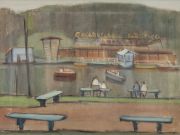
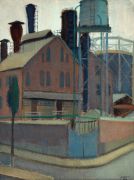
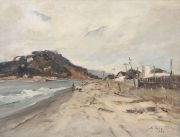
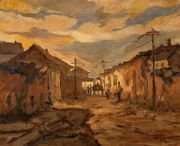
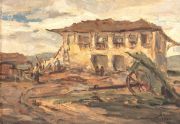
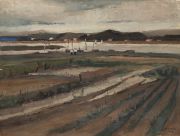
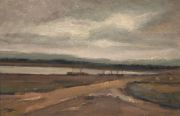
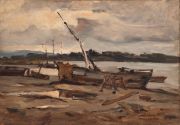
The present selection for Rotas Brasileiras allows us to follow this journey almost as if leafing through the notebook of a single thought unfolding across decades. We begin with the figuration of his early phases, with works such as Esquina "Gasômetro", Marinha com Barcos, and studies of beaches and countryside, still indebted to a tradition of plein-air painting, attentive to the diffuse light of the coast and São Paulo's suburbs, yet already containing, in its treatment of masses of color and economy of drawing, the seed of what would come later.
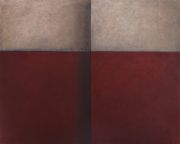
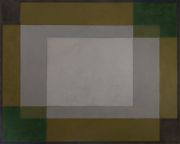
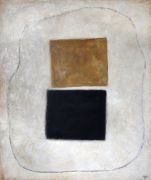
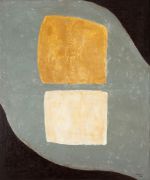
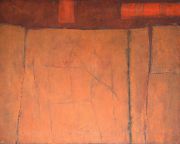
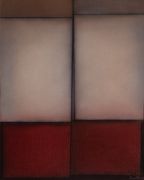
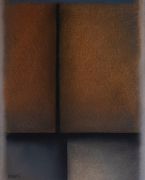
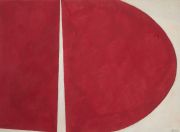
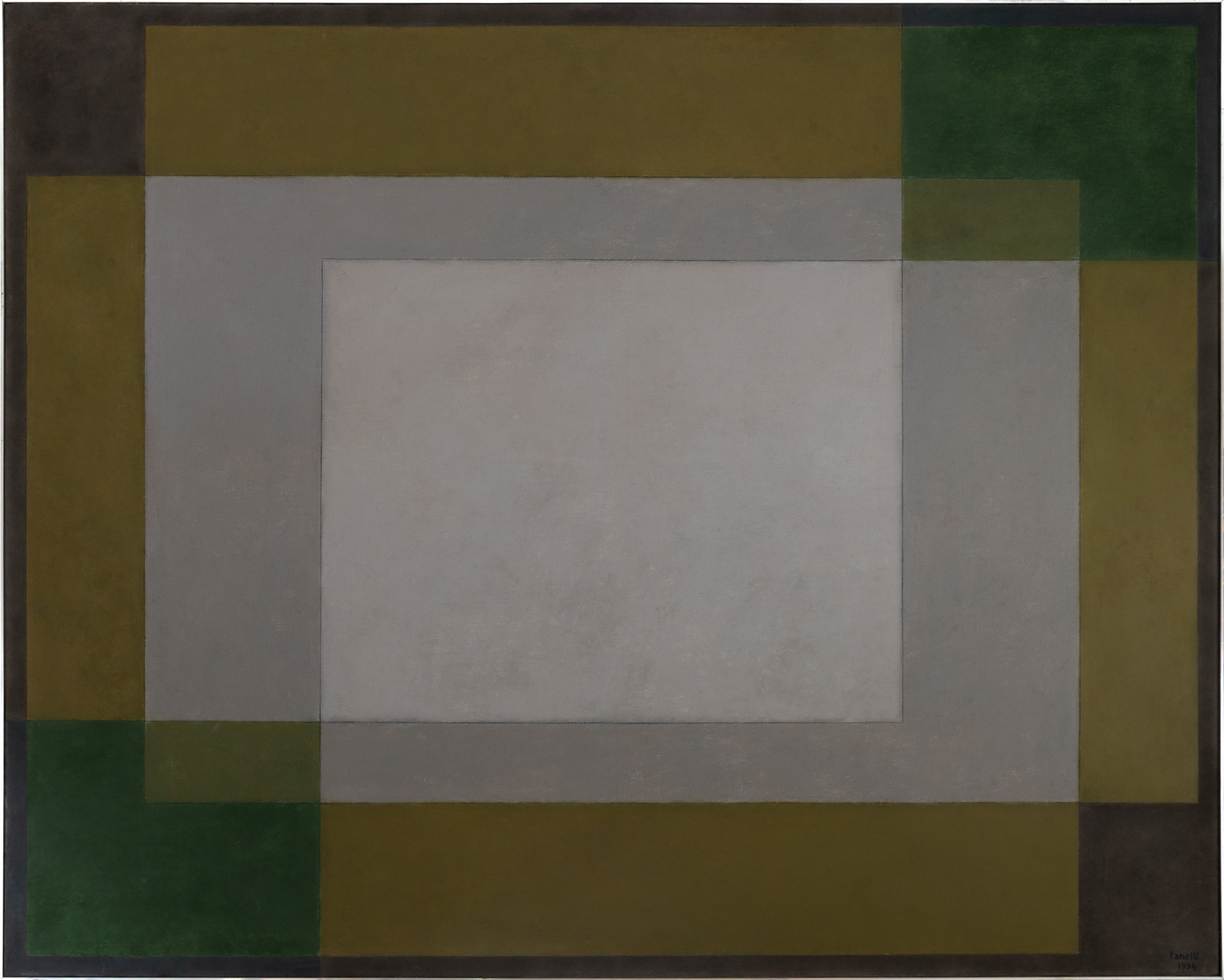
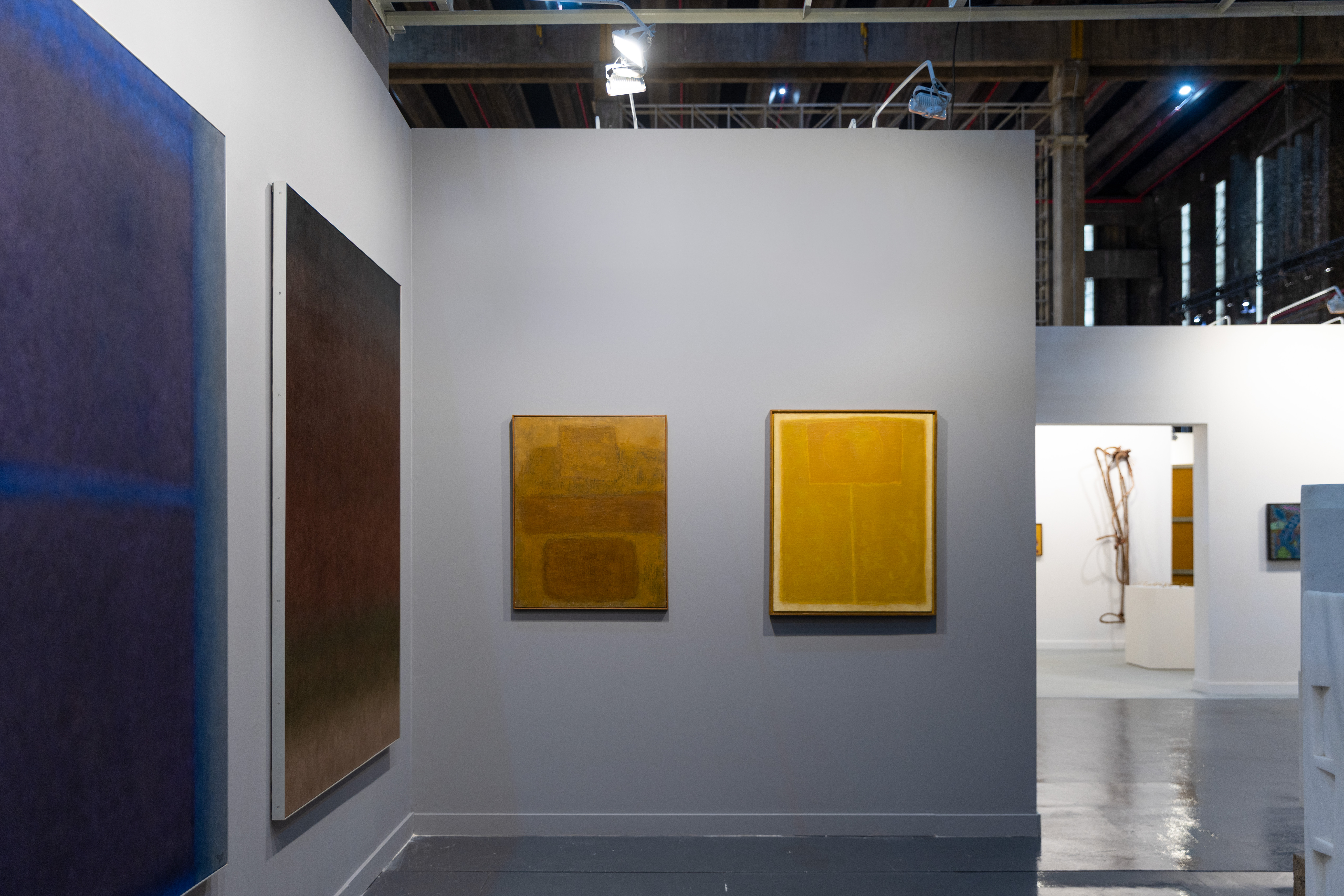
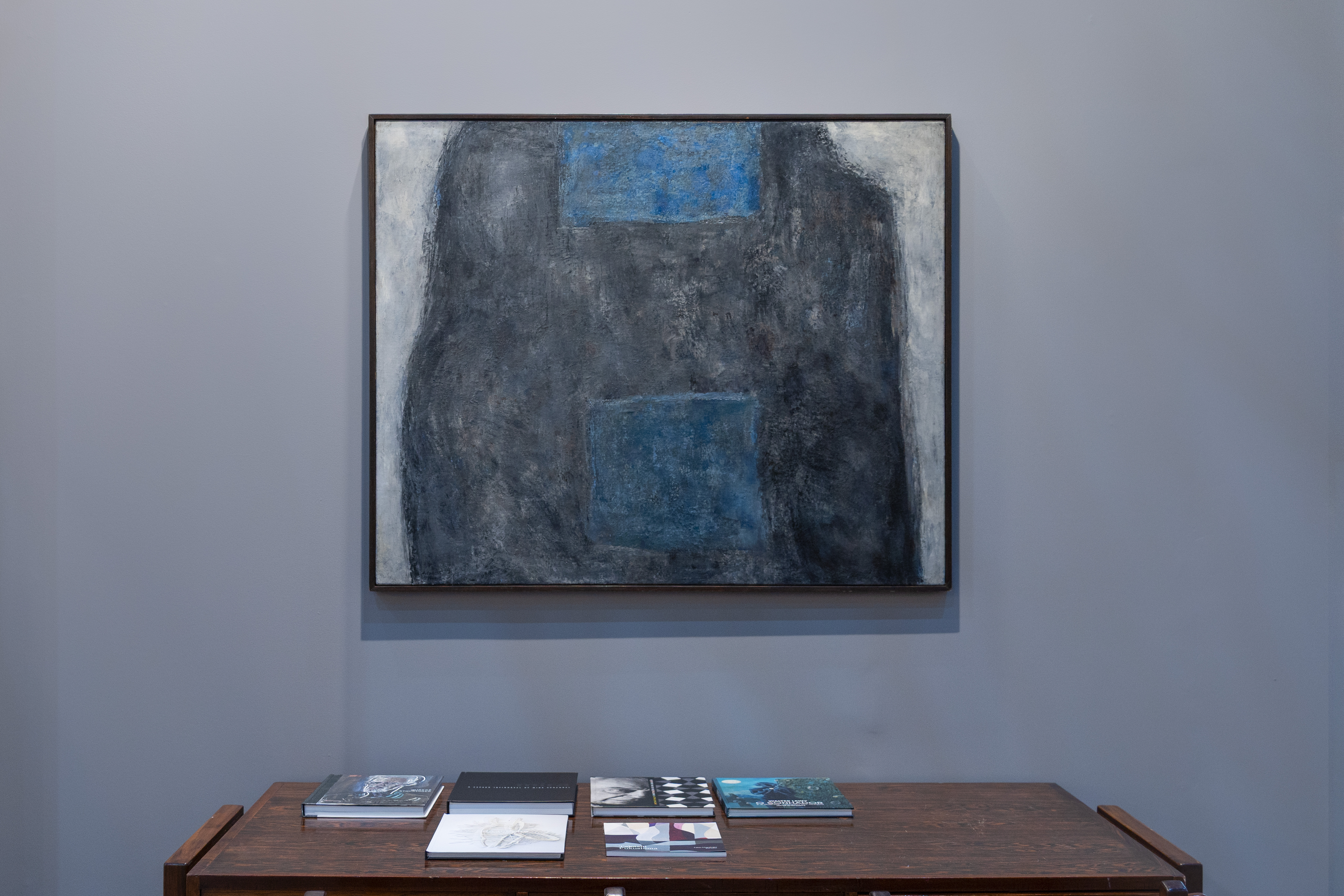
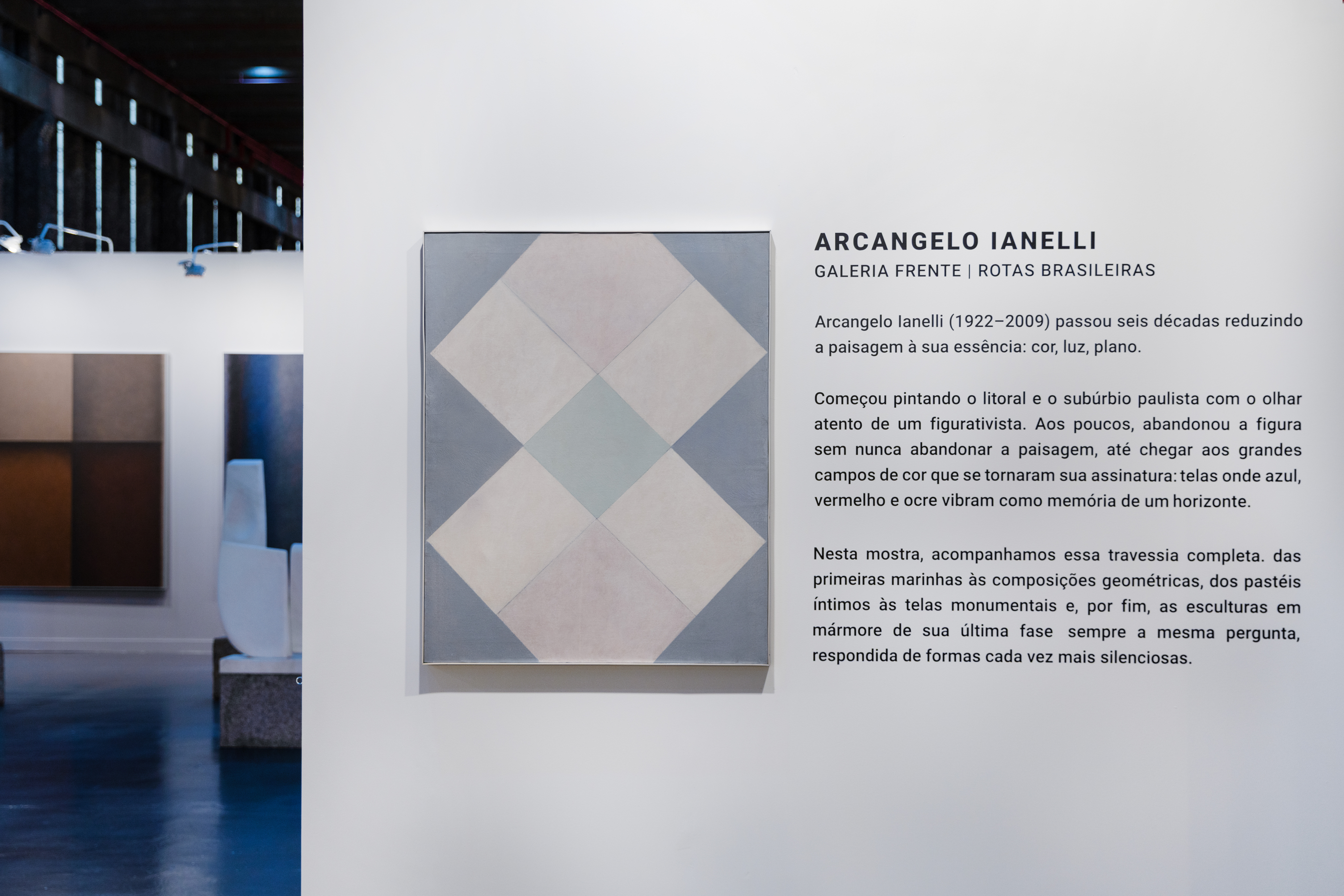
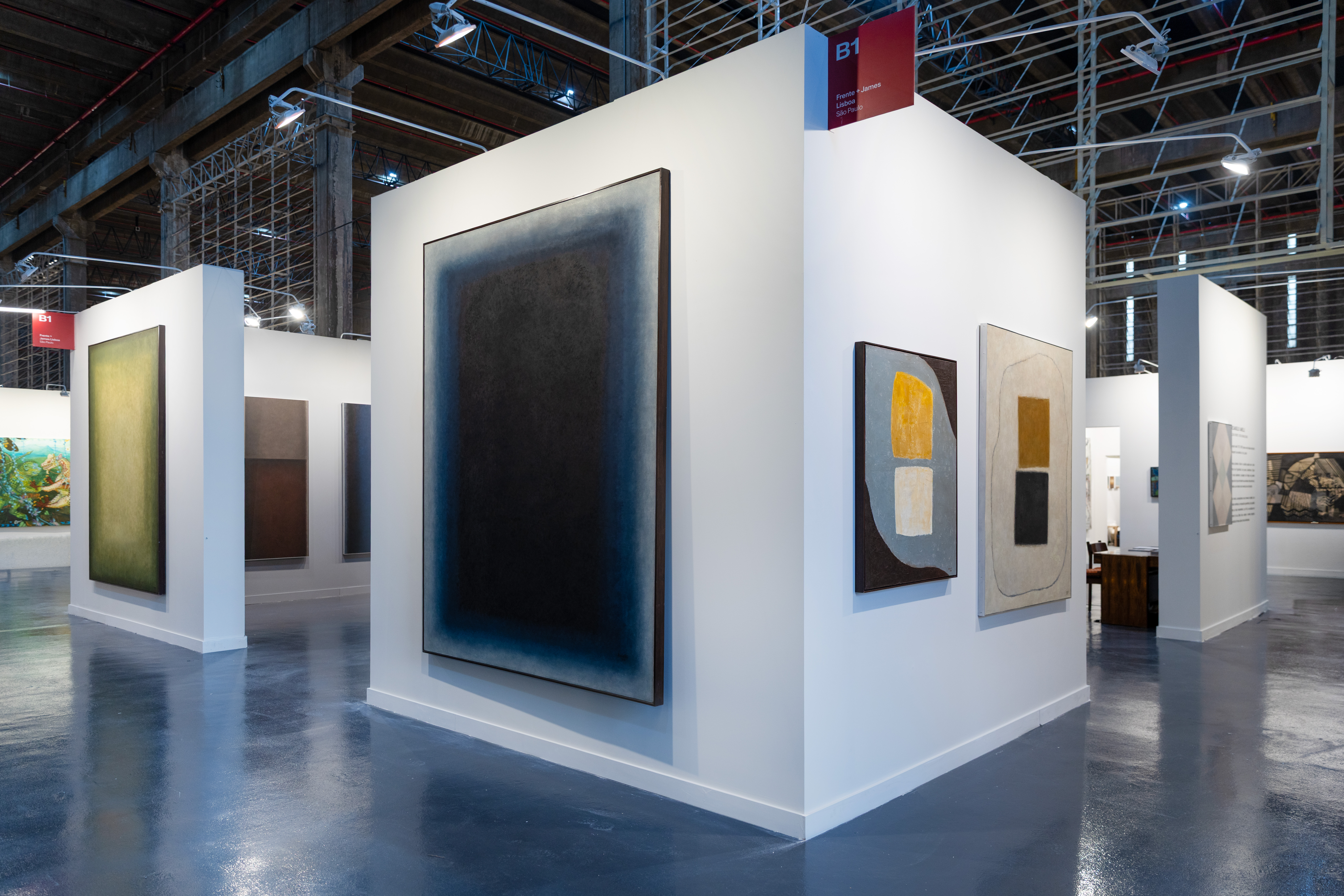
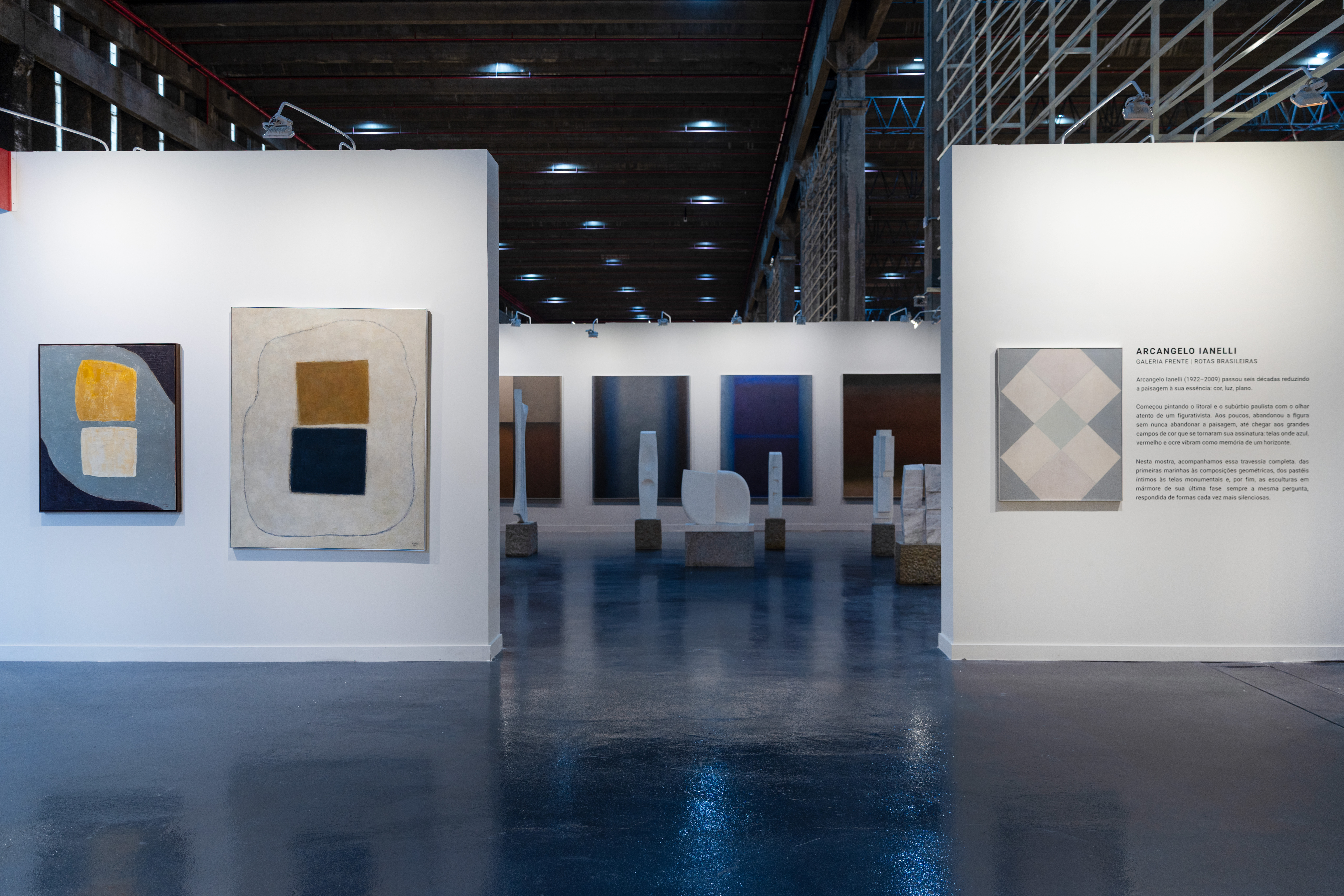
It is in the geometric-constructive compositions, with pairs of squares set against neutral fields, planes divided in two, and a red field split by a single vertical line, that Ianelli tests his break with figuration without entirely abandoning the memory of landscape: horizon, earth, sky, reduced to blocks of color held in tension. It is an abstraction that never forgets where it came from.
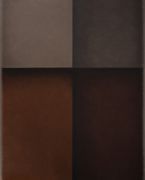
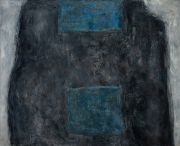
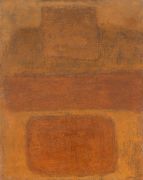
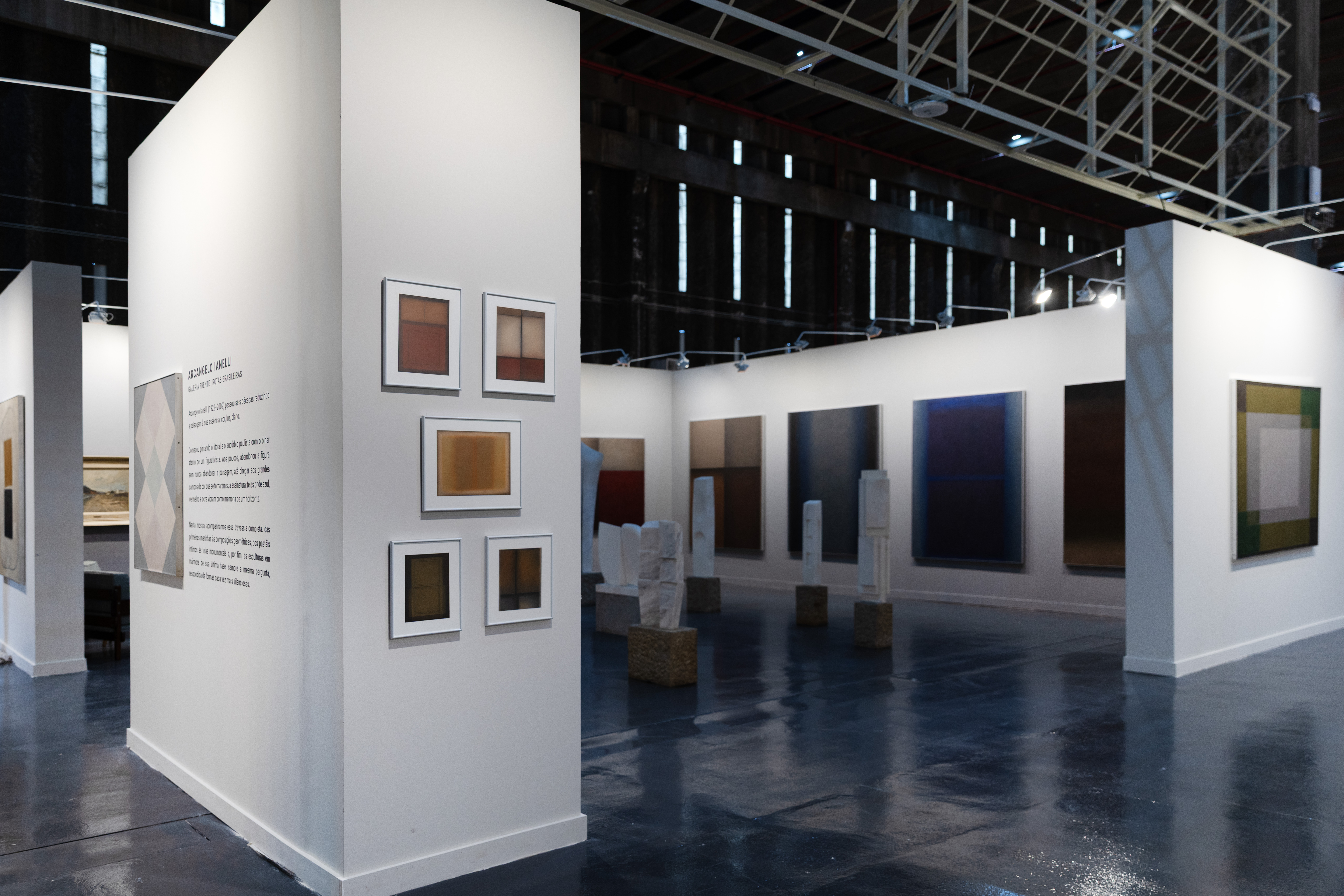
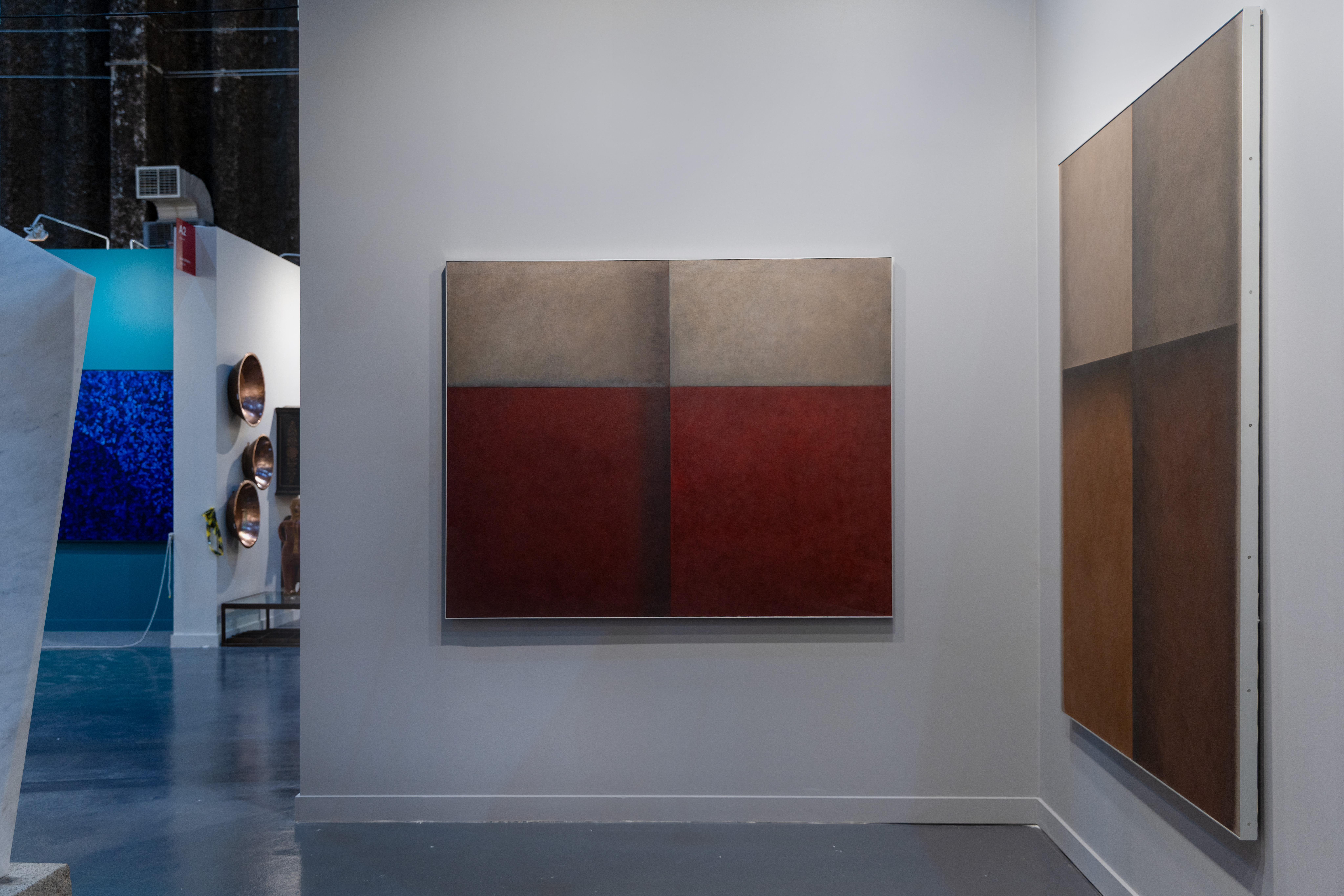
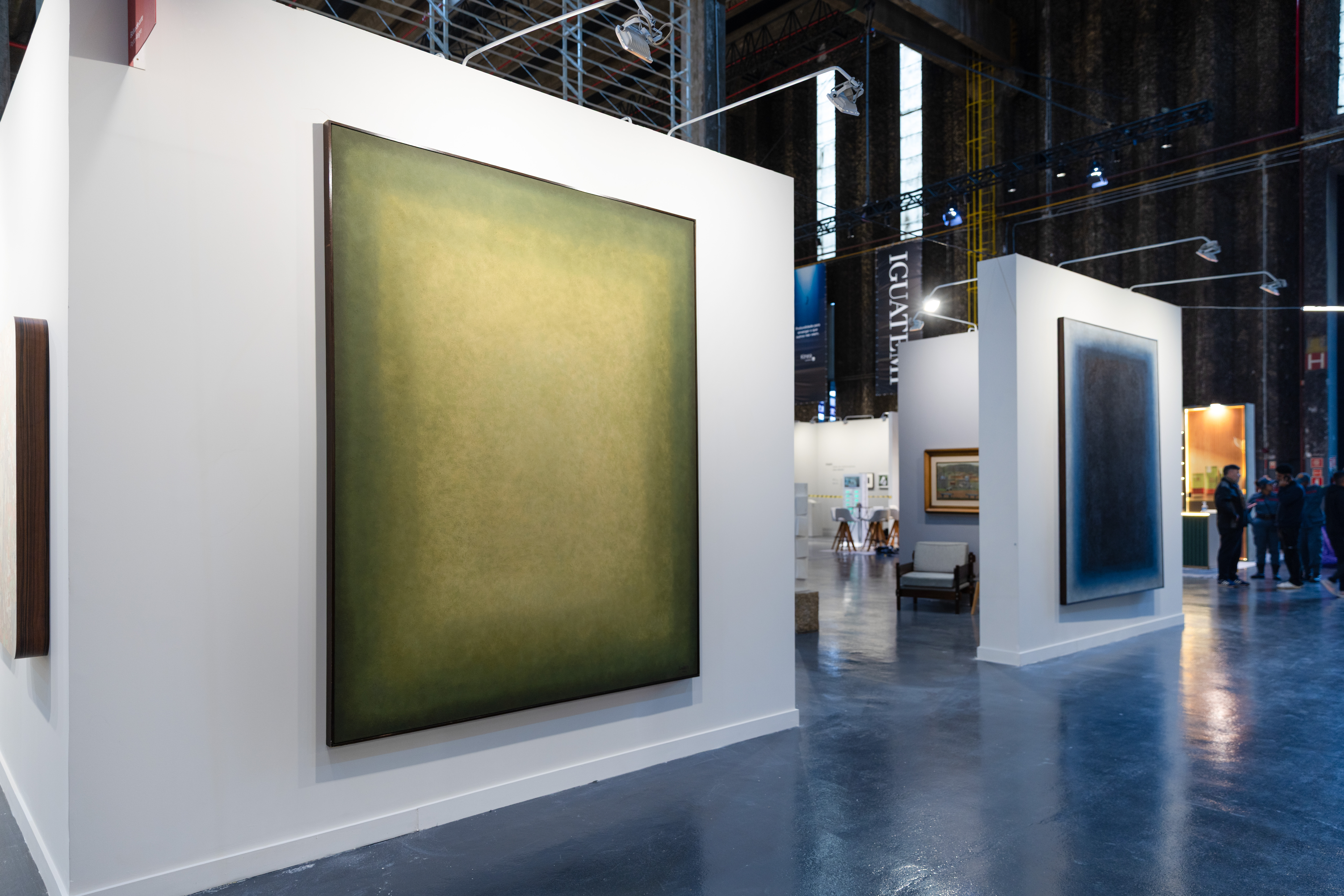
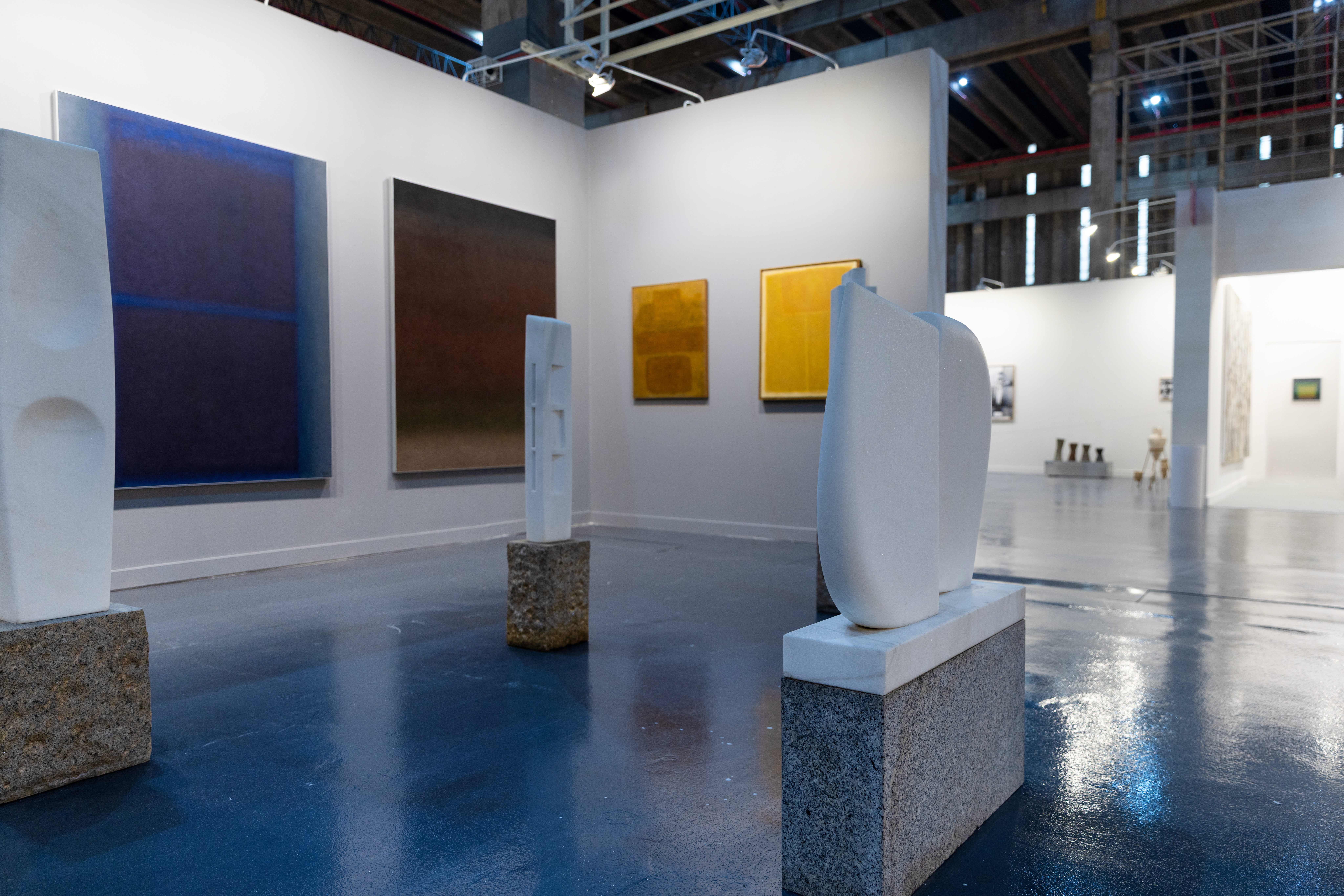
The exhibition's densest core, however, lies in the large monochromatic canvases, with their deep blues, reds darkening toward near-black, and ochres vibrating like late-afternoon light. Here Ianelli reaches his most original contribution to Brazilian painting: fields of color that seek neither the optical shock of Op art nor the programmatic rigor of Concrete art, but rather a slow, almost breathing vibration, achieved through successive layers of paint that make the surface seem to pulse from within. It is no coincidence that critics have at times associated his work with Rothko, but where Rothko seeks the tragic sublime, Ianelli pursues something more serene: Brazilian light reduced to its chromatic essence, without landscape, yet still a landscape.
The pastels on paper, smaller in format and more immediate in execution, function as the intimate laboratory of this investigation. In them, we see the artist testing, on a more intimate scale, the same relationships of color and division of planes that would later acquire the monumentality of his large canvases.
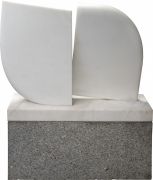
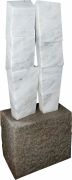
Finally, the marble sculptures, a later and lesser-known part of his production, reveal that the same discipline of reduction extends into the third dimension: vertical forms, almost stele-like, that engage with the tradition of modern Brazilian sculpture while also evoking a more ancient, almost archaic vocabulary of columns and monuments.
Gathered under the title Rotas Brasileiras, these works trace less a geographical route than an inner one: the path of a painter who, beginning with the observation of the visible world, arrived at a language of pure chromatic sensation and, in doing so, helped define one of the most singular and least conspicuous chapters of 20th-century Brazilian art.
Works on Exhibition